



BANGLADESH LAND MANOEUVRES
The JICA funded new port project in Matarbari, Bangladesh is all systems go again after resolving problems related to necessary land acquisition. In contrast, the PSA-backed Bay Terminal project is reported to have hit a stumbling block due to the high costs associated with acquiring 803 acres of land.
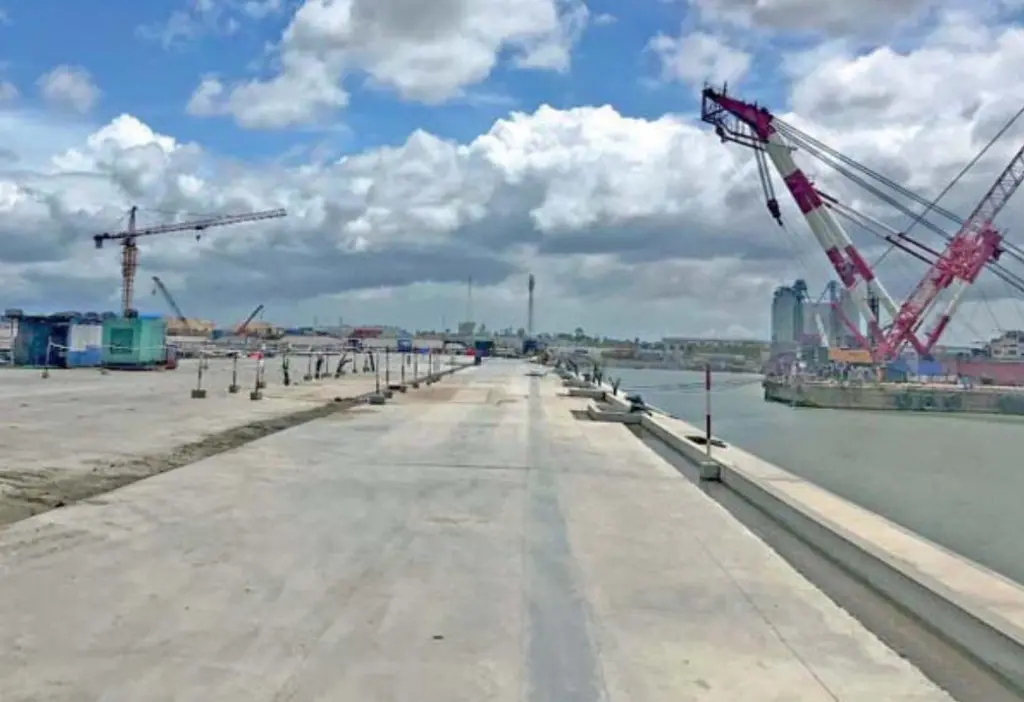
The JICA funded new port project in Matarbari, Bangladesh is all systems go again after resolving problems related to necessary land acquisition. In contrast, the PSA-backed Bay Terminal project is reported to have hit a stumbling block due to the high costs associated with acquiring 803 acres of land.
The Chattogram Port Authority (CPA) upped the compensation payment it made to the Cox’s Bazar district administration in order to factor in the presence of salt fields in the land purchase for Matarbari port. Located 122 kilometres from Chattogram, the port is designed to be a deep-sea port and will feature container, multi-purpose and coal handling facilities, the latter intended to serve a new coal-fired power station. An LNG terminal is also envisaged.
The target date for the opening of Matarbari’s container terminal facilities is 2026 with these able to accept vessels of up to 10,000TEU capacity.
With PSA’s Bay Terminal project, located on the coast of the PatengaHalishahar area around six kilometres from the Port of Chattogram, last June Bangladesh’s land ministry instructed the Chattogram Deputy Commissioner to transfer 800 acres of land to the shipping ministry at a nominal price. On 30 January, however, the district administration issued a letter demanding the full price with this payable within 120 days.
The original completion date for the Bay Terminal first-phase deep-water container terminal facilities was put at 2024 but it now looks as though this will slip. Up to three container terminals are envisaged, one 1225m terminal and two 830m facilities plus a 1500m multi-purpose terminal. Overall, the port will possess 13 jetties and receive vessels of up to 280m long. Construction cost is put at around USD2.5 billion.
Both projects, when up and running, will deliver to Bangladesh the hitherto elusive asset of deep-water and the scale economies offered by the ability to handle larger ship sizes.
Related Articles
 OPERATIONS
 OPERATIONS
 OPERATIONS