![PortStrategy[GreenPort]](https://www.portstrategy.com/wp-content/uploads/2026/09/PortStrategyGreenPort.svg)


Buenos Aires: What next?
A new government is in place in Argentina, responsibility for Transportation has been moved to the so-called Finance and Economy Super Ministry but as yet no sign of what lies in store for the country’s containerports, particularly at Puerto Nuevo the scene of much heated debate about future container operations. Mike Mundy reports.
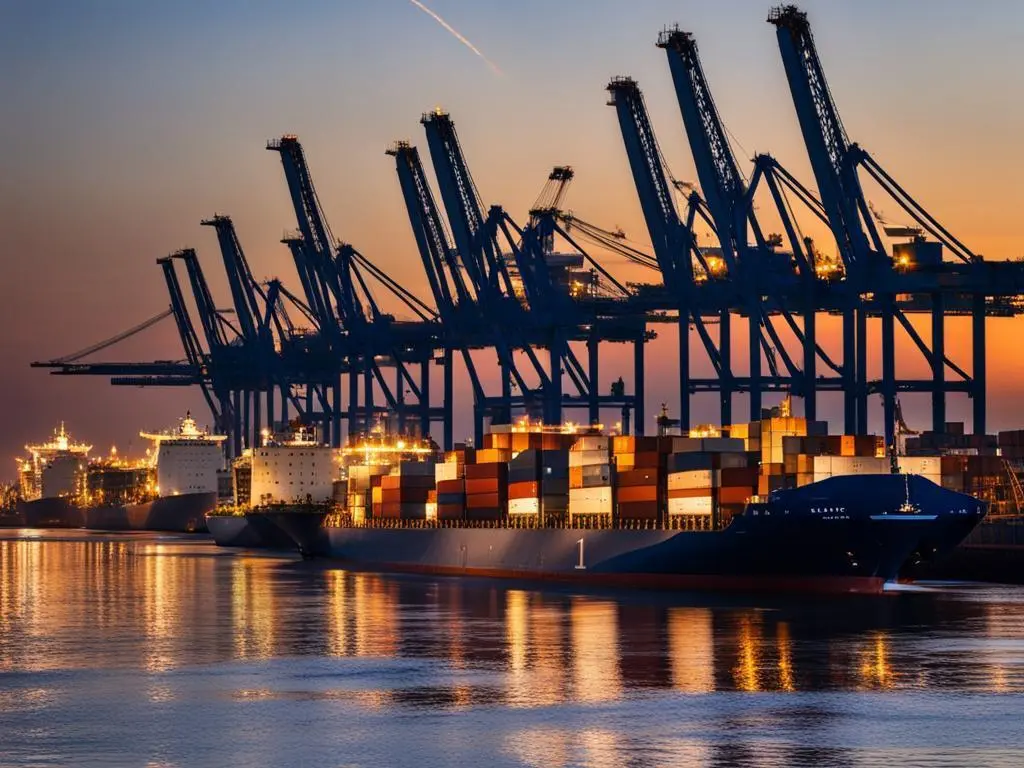
Elected in December last year, Argentina’s President Javier Milei has implemented a comprehensive package of austerity measures intended to mitigate what many view as a prevailing economic crisis. Spending cuts and a drastic currency devaluation are at the heart of these measures with the financial cuts including a temporary suspension of public infrastructure projects, reduction in energy and transport subsidies and an end to export and import quotas and licences. At the same time, what has become widely known as Milei’s “economic shock treatment“ also places great emphasis on the removal of excessive bureaucracy and the wider adoption of privatisation measures.
What this seems to suggest for the ports sector is that at least for the time being the new government is content to leave things the way they are with the two Puerto Nuevo container terminals continuing to operate on the basis of the 3 + 3 year extensions awarded to them, via Presidential Decree, just before the last government exited power.
In effect, this continues the controversy that has regularly dogged the Puerto Nuevo port area over the years – the diverse plans for redeveloping the area, the labour disputes and so on. There is a body of opinion that sees the latest extension of the two Puerto Nuevo concessions as a roadblock to the necessary rationalisation and upgrade of Argentina’s container handling sector to complement the consolidation that has taken place in the liner sector and the allied system changes, such as the steady increase in the size of vessels deployed in Latin America container trades. Further, the point is made that lobbying took place to achieve the presidential decree and that this avoided due process – a tender – which is open to question as a legitimate means of awarding concession extensions.
Short-term thinking
Even before the Milei government came to power there was significant criticism of the situation in Puerto Nuevo. Back in 2021 Michael Kaasner Kristians, Owner/President of the Panama-based maritime consultancy CK Americas, voiced the view that, “This is not the way to run critical infrastructure,” i.e. with concessions running down to the final days with no constructive plan in place to take things forward.
Short-term thinking, the view is underlined, falls a long way short of the requirement for an informed long-term plan for the sector including realising the full potential of the other container terminal facilities located in the greater Buenos Aires area – La Plata Port located 60km south of central Buenos Aires, where the international operator ICTSI has developed and operates container terminal facilities, and also at Dock Sud where the PSA Exolgan terminal operates, and which has also been the focus of significant inward investment. These terminals are not without justification in wishing to see a better framework introduced by government to secure the sector’s long-term positive development.
Adding to the controversy, it would doubtless be no surprise if Hutchison Ports Holdings (HPH), the former operator of the BACTSSA Terminal 5 in Puerto Nuevo, also took a dim view of the latest turn of events in Puerto Nuevo. At the time Michael Kaasner Kristians voiced his comments, back in 2021, HPH was active operating Terminal 5 at Puerto Nuevo. It was not, however, allowed to continue after the expiry of its extended concession in 2021.
In the end, HPH fulfilled its legal obligations but it sems it is open to question whether today the two remaining terminals are operating on a verifiable legal basis?
What next?
There has been no lack of criticism by President Milei of the actions of the previous administration and others before that. His plans for Argentina amount to taking a radical new direction – in summary his package of reforms aim to shrink the state, cut state spending by 15 per cent of GDP, slash the number of government ministries by almost half, put on a dollar footing the US$600 billion Argentine economy and eliminate the country’s central bank – but he does not have a majority in Congress which presents problems.
So, when it comes to the container sector it is not difficult to understand how deciding its future falls back down the pecking order. This said, the country’s ports in general and container handling facilities in particular are fundamental elements in facilitating international trade and with goals such as increased exports on the agenda the subject appears worthy of more attention than it is presently being given. It is early days yet of course so the jury remains out for the time being on whether the government’s reforming mandate will extend into the port arena. The Government cites increased emphasis on privatisation and labour reforms as two priorities which perhaps sends a positive signal but against this, in January, the Argentine Foreign Ministry announced that the Argentine Delegation to the Administrative Commission of the Rio de la Plata had approved the plans for the widening and deepening of the Montevideo Port Access Channel to 14 metres, a step seen by many as acting against the best interests of key Argentine ports.
Related Articles
 EQUIPMENT
 OPERATIONS
 OPERATIONS