



The ripple effect of the Israel-Palestine conflict
The recent violence between Israel and Hamas has sent ripples through the shipping and maritime industry, leading international companies to issue cautionary advisories and adapt their operations in the region.
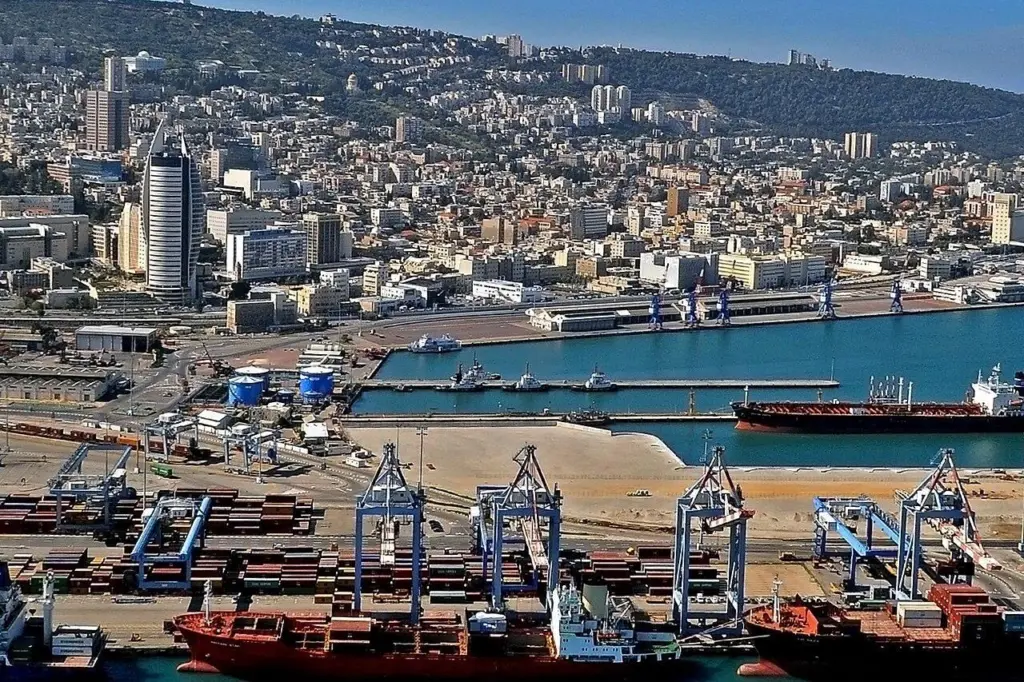
Analysis from Container xChange says that Israel’s vulnerability to missile attacks and the incursion of opposing militias, has made the security of transporting goods through the Port of Haifa uncertain.
”The transit of containers, especially hazardous materials, and the arrival of commercial vessels greatly emphasise the importance of security on this route,” said Hossein Norouz Fashkhami, a senior marketing expert from Middle East.
“Such insecurity or potential terrorist attacks could lead to a shift in the transportation of goods.”
Caution issued
Both Maersk and MSC have reassured stakeholders by announcing that its port operations across Israel’s key terminals are functioning without disruption.
However, the maritime industry is aware of the security situation and companies remain vigilant, pledging to monitor the situation closely and heed government guidance.
With regards to specific ports, the Port of Ashkelon located just 15km from the Gaza border, is severely impacted, rendering it incapable of normal operations due to missile threats. Vessels can only discharge cargo while moored at sea buoys, highlighting the risk and necessity for adaptive measures.
The Port of Ashdod, 50km from the Gaza border, is operating in an ‘emergency mode’ only, subject to potential missile attacks. Furthermore, restrictions on vessels carrying Hazardous Materials (HAZMAT) remain in effect.
By contrast, the Port of Haifa encompassing the Haifa Bay port and Israel shipyard, continues with business as usual at time of press, as does the Port of Hadera and the Port of Eilat.
Adani Ports, operator of the Haifa Port, assured stakeholders of operational readiness while closely monitoring the situation and having a business continuity plan in place.
Trade impacts
Beyond the ports, several global companies with a presence in Israel have been forced to adjust their operations. Chevron, the second-largest U.S. oil and gas producer, was directed by Israel’s energy ministry to shut down the Tamar natural gas field off the country’s northern coast.
Israel’s trade with China is characterised by a notable trade imbalance, with China being a major importer of Israeli goods. While Israel’s exports to China are substantial at $4.68 billion, the conflict may disrupt trade flows, particularly concerning Israel’s high-tech exports. The disruption could affect Israel’s exports and potentially hinder access to China’s vast market.
The United States is a critical trade partner for Israel, with a strong focus on exports. Israel exports goods worth $18.67 billion to the US, including high-tech products and defense-related items. The conflict may strain diplomatic relations between the two countries, potentially impacting Israeli exports to the US.
Germany is a key European trade partner for Israel. The conflict might impact Israel’s exports to Germany, valued at $1.88 billion. As Israel navigates regional instability, German imports from Israel could be affected.
India is another crucial trading partner for Israel, with $3.94 billion in Israeli exports. The conflict could have an impact on bilateral trade, potentially leading to disruptions in Israel’s exports to India.
For now, the Suez Canal remains the primary route for goods from India to Europe.
“In the case of the conflict in Israel, any expansion of the hostilities beyond the country’s borders could introduce risks to two vital shipping choke points. The Suez Canal, a critical waterway for various commercial vessels, including container ships, may face disruptions,” said Mr Roeloffs.
”Similarly, the Strait of Hormuz, a backbone for oil and gas shipping, could be affected. However, the extent of these effects will largely depend on the conflict’s expansion and duration.”
However, Mr Roeloffs said it’s worth noting that Israel itself represents a relatively small market for container shipping, with its primary ports of Ashdod and Haifa accounting for just 0.4% of global throughput. Consequently, the threat of disruptions to container trade flow through the Mediterranean region remains limited.
He said that the Israel-Palestine conflict serves as a testament to the shipping and maritime industry’s ability to adapt, demonstrating that despite challenges and disruptions, trade and operations can persist, albeit with the necessary caution and vigilance.
But still, global trade relationships hang in the balance, with disruptions, diplomacy and dollars at stake.
Related Articles
 OPERATIONS
 OPERATIONS
 OPERATIONS