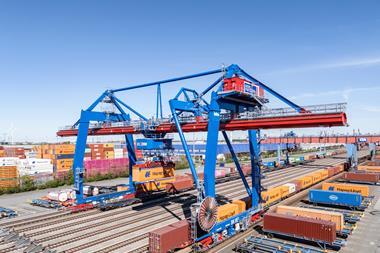
ThPA has commissioned eight new hybrid diesel-electric straddle carriers as part of its ongoing investment programme to modernise the Port of Thessaloniki and strengthen the capabilities of its container terminal.
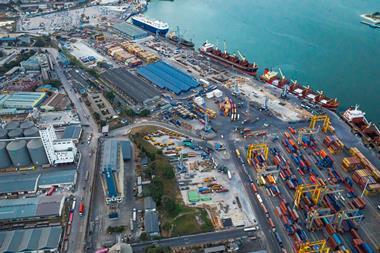
The new equipment is being introduced alongside the expansion of Pier 6, reinforcing the port’s ability to handle growing cargo volumes while improving efficiency and environmental performance.
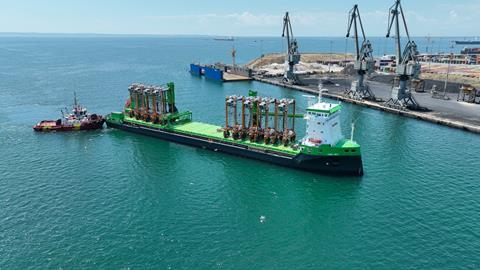
The investment forms part of a wider strategy to upgrade infrastructure, equipment and technology, enhancing Thessaloniki’s role as a key trade and logistics hub in southeastern Europe.
“The procurement of the eight new straddle carriers constitutes an additional decisive step towards preparing the Port of Thessaloniki for its next growth phase,” explained Dr Ioannis Tsaras, chief executive of ThPA.
“We are rendering our mechanical equipment more modern, more efficient and more sustainable to improve the productivity of the container terminal in an environment of increasing demand for faster, reliable and environmentally more responsible port services.
“Through consistent investment in infrastructure, equipment and technology, ThPA is strengthening Thessaloniki’s position as a modern trade and logistics hub for Southeastern Europe.”
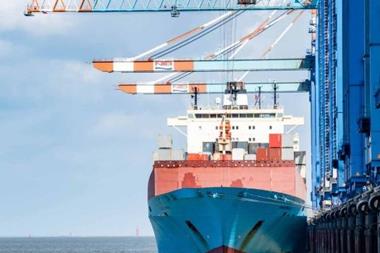
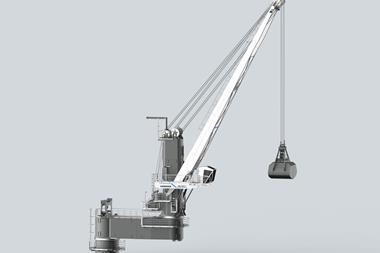
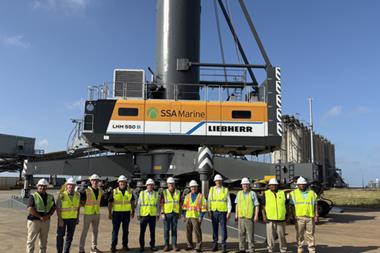
Since 2018, ThPA has invested in a significant renewal of its cargo handling fleet, including the acquisition of 12 straddle carriers, a new mobile harbour crane and two new Panamax ship-to-shore cranes capable of serving mainline container vessels with capacities exceeding 10,000 teu.
Manufactured in Europe, the latest hybrid straddle carriers are designed to improve energy efficiency while reducing environmental impact. The machines deliver an estimated 18% reduction in fuel consumption and lower pollutant emissions, supporting the port’s transition towards more sustainable operations.
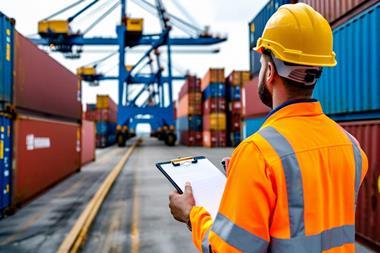
The investment is also expected to deliver substantial operational benefits. The new equipment increases the container terminal’s storage capacity by enabling containers to be stacked higher, making more efficient use of available yard space.
Faster container handling is expected to reduce waiting times for trucks and vessels, ease gate congestion and improve cargo flows throughout the terminal.