


Will a demand for oil force ports to upgrade?
Global demand for transshipments of heavy oil will force ports to upgrade their infrastructure, says a US-based broker and consultant.
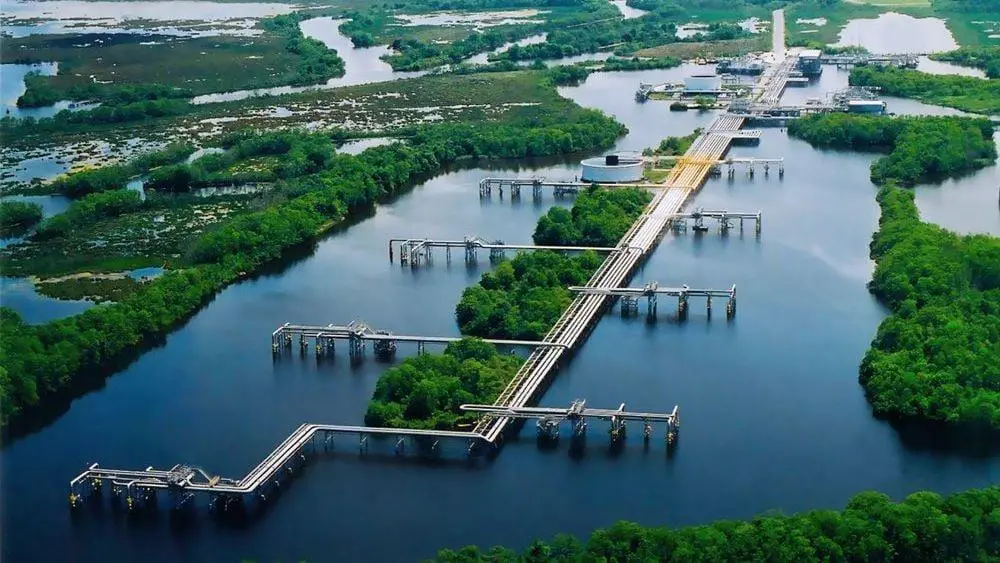
Over the last decade, the US has developed into the largest crude oil producer in the world, says Poten & Partners, thanks mainly to fracking for shale oil in Texas and some other states.
However, most shale oil is very light and the refineries in the US Gulf were designed for the heavier grades found in the Caribbean and Gulf of Mexico.
This means that much of the shale oil recovered in the US is exported whilst heavier grades are imported. Coastal refineries in both the east and west of the country also continue to import crude oil as there are few pipelines to the main shale production sites.
“Due to this rapid oil production growth, the US Gulf export infrastructure has had trouble to keep up with the rapid export growth, especially for shipments using the most economical tankers for long haul trades – very large crude carriers (VLCC),” said
The largest of these supertankers – the ultra large crude carriers – can carry up to 550,000 dwt. Their immense size means they are often unable to enter port, instead taking on at offshore points and pumping their cargo on to smaller ships at the other end.
“As the US Gulf coast is relatively shallow, no normal ports can accommodate fully laden VLCCs,” continued Poten & Partners.
Louisiana Offshore Oil Port is the sole exception, says the broker. Designed initially as an import terminal, the port was upgraded in 2017 to manage exports as well.
However, its location away from the most prolific shale oil production regions limits its suitability as does its pipeline configuration which is a single channel for both import and export.
Related Articles
 OPERATIONS
 OPERATIONS
 OPERATIONS