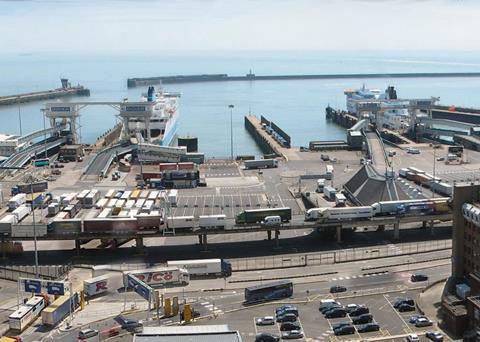
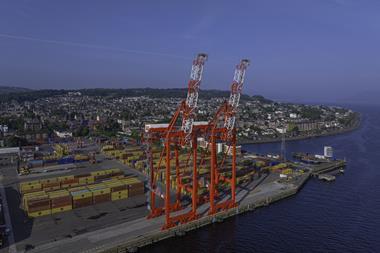
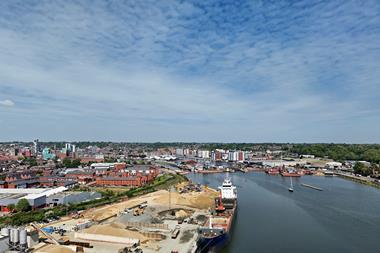
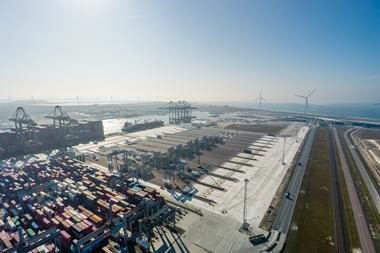
A total of £85m is being committed to recover the Western Docks with the development of a new cargo terminal and associated facilities. This will see more than 600 jobs created and an additional £25m of Gross Value Added (GVA) per year for the local economy.
“We are looking to protect this nationally vital trade route by securing long-term capacity through our Dover Western Docks Revival vision, and must secure additional powers in order to deliver this effectively,” said Tim Waggott, Chief Executive, Port of Dover.
The port’s positive impact on the local economy was revealed recently in an independent economic impact survey, carried out by UK-based Oxera, which revealed the 2.2 million freight vehicles that use the port each year carry goods worth an estimated £89bn, reinforcing Dover’s reputation as Europe’s busiest ferry port.
The survey also found the combination of Dover’s location and efficiency of its operations resulted in a net benefit to its customers of some £2.3bn.
“The scale and value of goods handled by the people working at the portis staggering and demonstrates its importance to the nation and the need for continued and major investment,” Mr Waggott added.