


Qatar blockade lifted
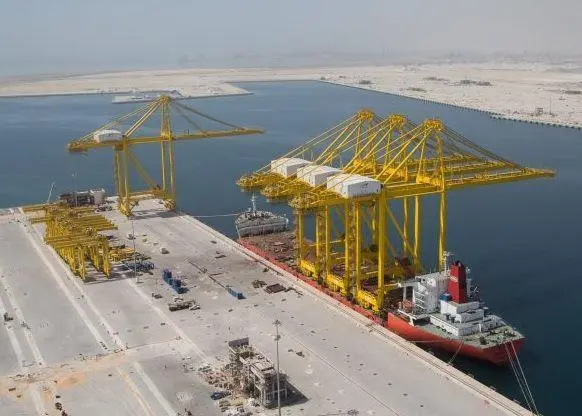
An economic blockade against Qatar lasting more than three years has finally been lifted, freeing the country’s ports to re-establish lost trade links and routes.
Leaders of the Gulf Cooperation Council (GCC) signed the Al-Ula declaration on 5th January, ending the blockades of Qatar since June 2017, as a result of its perceived support for Islamist groups.
Saudi Crown Prince Mohammed Bin Salman said: “We consider with great thanks and appreciation the efforts to heal the rift.”
In a significant move, Qatar received an invitation to attend the 41st GCC Summit held in the Saudi Arabia on 5 January.
The GCC comprises Saudi Arabia, Qatar, United Arab Emirates, Bahrain, Kuwait and Oman.
In his post-meeting speech, H.E. Dr. Nayef Falah Al-Hajraf, secretary general of Secretary of the GCC, said “The 41st summit marks the beginning of a new chapter for the GCC as it enters its fifth decade.The GCC’s focus today is on meeting the ambitions of the region’s young and digital population, and enabling them to compete and lead in a globally-connected post-pandemic world, through joint efforts to restore economic growth in the region, resume free trade negotiations, and strengthen strategic partnerships with friendly countries.”
Qatar faced a tough challenge when the economic blockades were presented. However, the country established new trade routes with the assistance of countries including Oman, which is believed to have remained neutral throughout the dispute.
The situation began to shift in in February 2019, when Abu Dhabi Ports and DP World issued circulars eased Qatar shipping restrictions, but at this time the UAE’s Federal Transport Authority said there had been no adjustment to the embargo of Qatar
Related Articles
 PORT & TERMINAL NEWS
 PORT & TERMINAL NEWS
 PORT & TERMINAL NEWS