



REDUCING THE CARBON INTENSITY
COMMENT: Ships calling at ports are subject to international regulations drawn up by the International Maritime Organization (IMO), with headquarters on the River Thames but with 170+ member states, and a nearly equal number of hangers-on. Obviously, the IMO’s actions will impact ports directly – think about waste or ballast reception facilities, scrubber effluents, shore-based power and the like, writes Barry Parker.
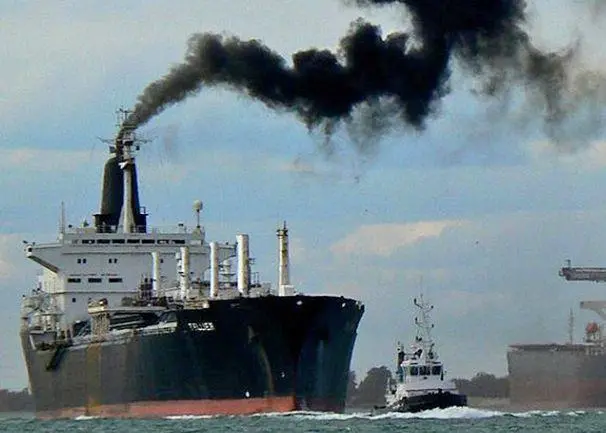
In late November, the IMO was drafting amendments to its Maritime Pollution Convention (MARPOL) that would put shipping on a path towards greater energy efficiencies and reduced carbon intensity, with targets out to the year 2050.
The amendments, which could come into force in 2023 (all being well), include a new “rating” scheme where vessels will be rated from “A” as the best, down to “F” which is far from good, in terms of meeting of targets for carbon intensity.
Importantly, in a brief describing the meeting held virtually (not along the south bank), the IMO states: “Administrations, port authorities and other stakeholders as appropriate, are encouraged to provide incentives to ships rated as A or B.”
While the IMO sets rules that its members must then put into their legislation, the switch to alternative fuels for shipping will be heavily driven by movements of capital, not only by prescriptive regulations. As evidenced by its statement, the IMO clearly recognises this fact. Seaports do have a role to play in pushing shipping’s movement towards 2050.
For ports, even those operating a landlord type business, delving into the ratings of vessels visiting terminals and facilities will become increasingly important. Consider that the choices of vessels by charterers (aka “other stakeholders”) will be driven by such ratings, as will the flows of capital supporting vessel fleets.
There are a variety of incentives that ports can provide, the most obvious being discounts on wharfage, dockage and other fees for visits and calls by highly rated vessels. Conversely, the E and F rated vessels might see premiums.
As ports discuss investment in shoreside facilities, consider how “win-win” arrangements that reward tenants, the customers of the port in many cases, for attracting the A’s and B’s can be developed.
Perhaps such mechanics could be viewed as a second derivative, but one that helps enable ports to further their environmental objectives.
Related Articles
 INSIGHT & OPINION
 INSIGHT & OPINION
 INSIGHT & OPINION