Transparency and openness are crucial to fruitful community relationships, finds Carly Fields
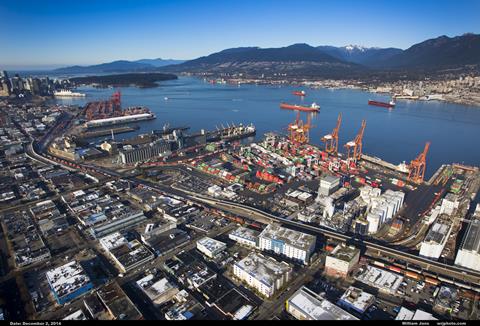
Good community relations are the holy grail of most city-surrounded ports. Keep the neighbours onside and benefit from unchallenged development, or at least more acceptance of the means to the end needed to promote port growth. Damage that connection and pushing through even the smallest development can be a battle.
Canada’s Port Metro Vancouver is accepting of its role as a city port that was the catalyst for future development of the city. But, as in other locations, those in the community can quickly lose sight of the vital role a port has historically played.
For its part, Port Metro pays a great deal of attention to noise and light pollution and community engagement. It has a 24/7 community engagement line where people can phone if they have a concern.
From that, it identified that noise was becoming an increasing concern as much due to increasing proximity to the port as to changes in the port. In order to address that concern, the port set up continuous noise monitoring at a number of stations, with data published on its website to ensure transparency.
“That gives us a really good tool to baseline what’s going on and find where there are spikes and where there are changes,” says Port Metro Vancouver president and chief executive Robin Silvester in conversation with Port Strategy. “Then it really comes down to the basic hard work of dealing with this stuff, working with the other stakeholders in the port to identify the sources of noise and working out what can be done to mitigate them where that is possible.
“You can’t always mitigate these issues, but by paying attention to them and by isolating the problems and working on them one by one you can have a positive impact and that is really the philosophy we’ve taken.”
Talk the talk
The authority has taken that air of transparency a stage further with its PortTalk online portal, described by the port’s as its “hub for online engagement”. Through porttalk.ca, interested parties are encouraged to provide feedback on port-led projects, submit questions to be answered openly online, and to find out more information about current projects and port operations. It’s administered by an independent agency on behalf of Port Metro Vancouver.
“PortTalk grew out of one of the major infrastructure projects that we were leading on the North Shore,” explains Mr Silvester. “Over the last five years we’ve been involved in CN$700m of infrastructure development in the corridor serving the port. One of the projects was a CN$100m road project on the North Shore and in the early stages of the project it ran into a lot of pushback from the community. So we started an engagement process through the normal engagement methods - such as open houses and community meetings - and we recognised that we needed to increase our level of engagement, increase our ability to respond to questions and increase our ability to communicate factual information about the project to the public. That was the genesis of the PortTalk website.”
From that beginning, the authority now views PortTalk as an invaluable tool in its toolkit for community engagement. “We have a strong focus on community engagement and we have a team specifically dedicated to that,” says Mr Silvester. “We have a robust process for answering questions; it has proven to be a good tool.”
Its engagement with the local community has become increasingly relevant with its plans for Terminal 2. The authority is getting ready to put out the call for a terminal operator to take on the concession for its new container terminal and supporting infrastructure works have already been done to connect the terminal to the intermodal networks.
Mr Silvester views Terminal 2 as the “only opportunity to create capacity on the scale that the market needs”. Terminal 2 needs to accommodate Canadian demand, forecast to increase at a 4%-5% compounded growth rate, effectively doubling trade in the next 15 or so years.
This projected growth in volumes will undoubtedly place pressure on community relations. Going forward, Port Metro Vancouver will be increasingly dependent on its engagement channels to keep development plans and community relationships aligned.