



Shore power order book momentum builds
The shore-based supply of electricity to power vessels when in port is steadily gaining traction – as recent developments indicate.
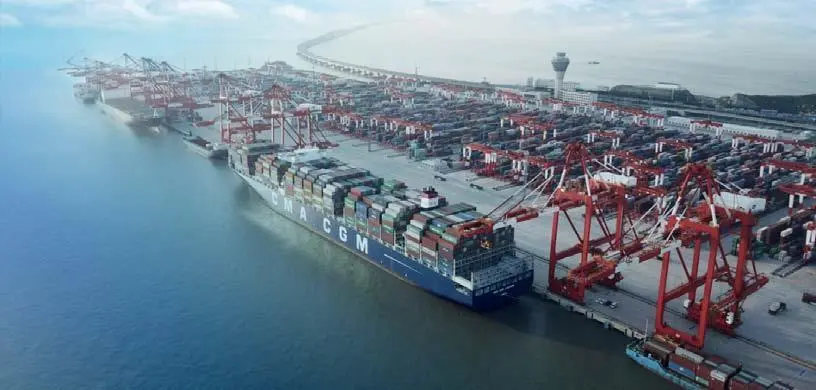
Leading global shipping line, CMA CGM has signed a long-term strategic collaboration with Shanghai International Port Group (SIPG) to develop, on a mass scale, the use of onshore power supply at the Port of Shanghai. The arrangement will see all CMA CGM ships, either constructed with the appropriate systems or retrofitted to take advantage of cold-ironing technology. By mid-2023, the partnership is expecting to see up to 50 vessels connecting at the port
The Port of Narvik and Norwegian company Plug Nord have secured funding of NOK 10.7 million (€1.02 million) to develop shore power for cruise ships. The plan is to build both a high- voltage facility for the larger cruise ships and a smaller low-voltage facility for smaller cruise vessels, although only one vessel at a time can be accommodated. Operations are planned by end 2024.
Elsewhere, Montrose Port Authority is partnering with Norway-based Plug Shore Power Ltd, in a 50/50 joint venture that will see the port become Scotland’s first facility able to provide shore power to offshore energy vessels. Dubbed Plug Montrose Ltd, the installation process will take up to 12 months to complete.
The Port of Québec, Canada is also now conducting a feasibility study for provision of shore power supply for cruise ships, following use, in 2022, of a greenhouse gas (GHG) rating tool from maritime risk management agency RightShip. The process assessed emissions from ships entering the port’s jurisdictional waters and facilitated the offer of discounts on port fees to vessels, dependent on their GHG rating and emission efficiency. However, the port is going one step further and moving towards shore-based power which is required as the Cruise Lines International Association has committed to all ships berthing at an electrified dock by 2035.
Related Articles
 DIGITAL
 PRODUCTS & SERVICES
 PRODUCTS & SERVICES