


UKRAINE WAR POSES CHALLENGES FOR THE FERTILISER SECTOR
Brazil’s Agro-Industry aims to “Feed the World” but the Russian invasion of Ukraine, on the other side of the world, has created major headaches for importing fertilisers which are vital to the agricultural businesses that drive the Brazilian economy: including soya and grain producers as well as beef and chicken exporters.
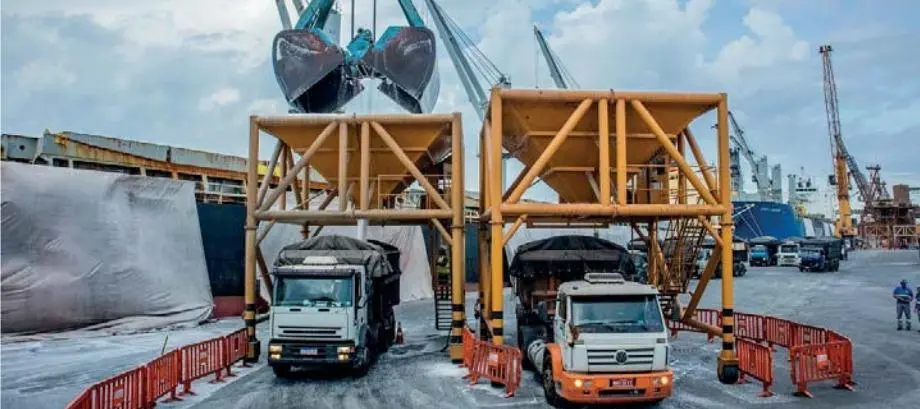
Brazil’s Agro-Industry aims to “Feed the World” but the Russian invasion of Ukraine, on the other side of the world, has created major headaches for importing fertilisers which are vital to the agricultural businesses that drive the Brazilian economy: including soya and grain producers as well as beef and chicken exporters.
Brazil imports 20 per cent of its fertilisers from Russia and although embargoes are not affecting this trade so far, traders face the reality of shortages of supply and s
piking of prices. Since the war broke out the price of urea (a nitrogen-based fertiliser compound) has risen 75 per cent to $965 per ton, at Brazilian ports.Jose Bechara, Director, Litoral, a trading company operating out of Sao Francisco do Sul (SFDS), notes that prices have indeed “gone through the roof”. “We assist with the trucking to the farmers and the prices have been rising rapidly since the war started,” he says.
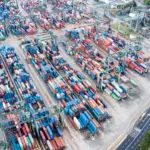
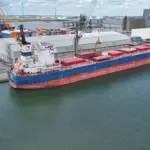
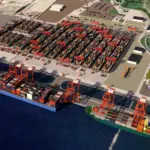
The ports of SFDS, Santos and Itaqui, in the far north, are taking measures to increase port capacity for fertiliser imports as agro-industrialists endeavour to import more now before the shortages really kick in. Cleverton Vieira, President of the port of SFDS, reports that in February it imported 400,000 tonnes of fertilisers, 300 per cent more than in the same month last year. Growing agro exports had already led the port of Itaqui to build a new fertiliser terminal, which will open shortly.
For the longer term, in March this year Brazil launched a plan to reduce the share of fertiliser it sources from imports. The plan identifies different scenarios to reduce nitrogen, phosphates and potash imports dependency by 2050.
Related Articles
 WORLD
WORLD
 WORLD
WORLD
 PRODUCTS & SERVICES