
Global ratings agency, Fitch Ratings, says that the effects of the labour disputes at US west coast ports are beginning to show, with cargo being diverted setting the stage for broader economic impacts.
According to Fitch, the ongoing risk of a strike or work slowdown at US west coast ports is very real. The International Longshore and Warehouse Union (ILWU) workers are currently working without a contract and could strike at any time.
Although negotiations between the ILWU and the Pacific Maritime Association (PMA) are said to be amicable since the expiration of the previous contract on 30 June, a strike or other labour disruption would have a significant impact to the North American economy and global trade.
A spokesperson from Fitch Ratings, said: “While a long-term strike is not likely, we believe some shippers may be diverting their cargo to avoid potential problems. We believe many shippers are likely speeding up their current shipments to build inventories and planning diversions to ports in British Columbia.”
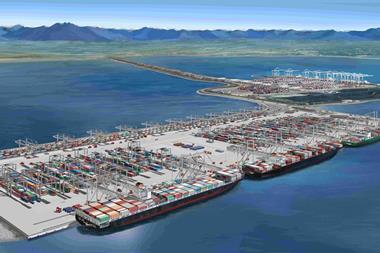
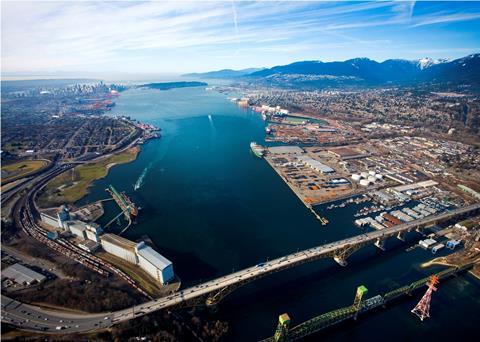
Just recently, the DP World terminal at the Port Metro Vancouver (Canada) which is one port seeing diversions of west coast cargo, temporarily stopped receiving US bound containers destined for rail transfers at its Centerm terminal due to a shortage of rail cars.
TSI Terminal Systems (TSI), Port Metro Vancouver's largest operator, has since said that it would continue to honour US bound cargo, Fitch warned that if this shift were to persist from weeks into months, some shippers may continue to use alternative ports even after the ILWU contract is finalised and the risk of a strike or slowdown has passed.
Fitch suggested that diversions to Canada's Prince Rupert and Port Metro Vancouver ports could have a substantial impact on the US economy if shippers diverted to them permanently.