![PortStrategy[GreenPort]](https://www.portstrategy.com/wp-content/uploads/2026/09/PortStrategyGreenPort.svg)





Shaking up the status quo down-under
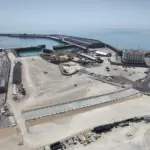
Melbourne finally has its sights set on the prize with Port minister Denis Napthine giving the ports long-awaited third container terminal the official go-ahead.

To create this new facility the Port will see its debt double to nearly A$1bn, a small price to pay for the creation of 700 direct and 1,900 indirect jobs across the state. Of the A$1.2bn cost, Melbourne will supply A$500m, with the rest split between the new concession holder and the two existing stevedores: DP World and Patrick.
While the long term plan sees neighbouring Port of Hastings take up the slack, in the short- to medium-term the need for more Melbourne capacity is pressing: the Australian Competition and Consumer Commission claims that Melbourne’s ability to handle future container growth could be compromised as early as 2015. Hastings is still 10-15 years down the line.
Melbourne will no doubt be delighted by the news, especially in light of the bad press that has dogged it over the past 12 months: at the end of 2011, it narrowly avoided the industrial action that seemed to be sweeping Australasia, and has faced sharp criticism on its soon-to-be-introduced Port Licensing Fee.
In November, DP World, operator of one of the Swanson Dock terminals, managed to keep a strike a bay by serving a lock out notice, which brought unions back to the negotiating table.
And the unpopular Port Licensing Fee, due to come into force in July and replacing the old Freight Infrastructure Charge, has been slammed as an ‘administratively costly way of raising funds’. Shipping Australia has gone so far as to say that the charge may make Melbourne uncompetitive with other ports.
Putting these hiccups behind it, Melbourne can now focus on the task of attracting the all-important third terminal operator to improve competitiveness.
Opportunities for newcomers to break into Australian stevedoring are rare; which makes this opportunity all the more important.
HPH has already thrown its hat into the ring, according to local press reports, which should come as no surprise given the operator’s presence in Sydney and Brisbane. However, HPH will not be alone: Mr Napthine has already confirmed a “significant amount of interest from those in the private sector who are excited by the opportunities a third container terminal brings to the port”.
Melbourne will be following in Brisbane’s and Sydney’s footsteps in welcoming a third stevedore.
Whoever wins the bid – and HPH will be fighting its corner with vigour – the ‘cosy duopoly’ of DP World and Patrick in servicing Australia’s shipping sector is set to be further eroded by Melbourne’s newcomer.
Related Articles
 OPERATIONS
 INSIGHT & OPINION