![PortStrategy[GreenPort]](https://www.portstrategy.com/wp-content/uploads/2026/09/PortStrategyGreenPort.svg)





Manila shows how not to do it
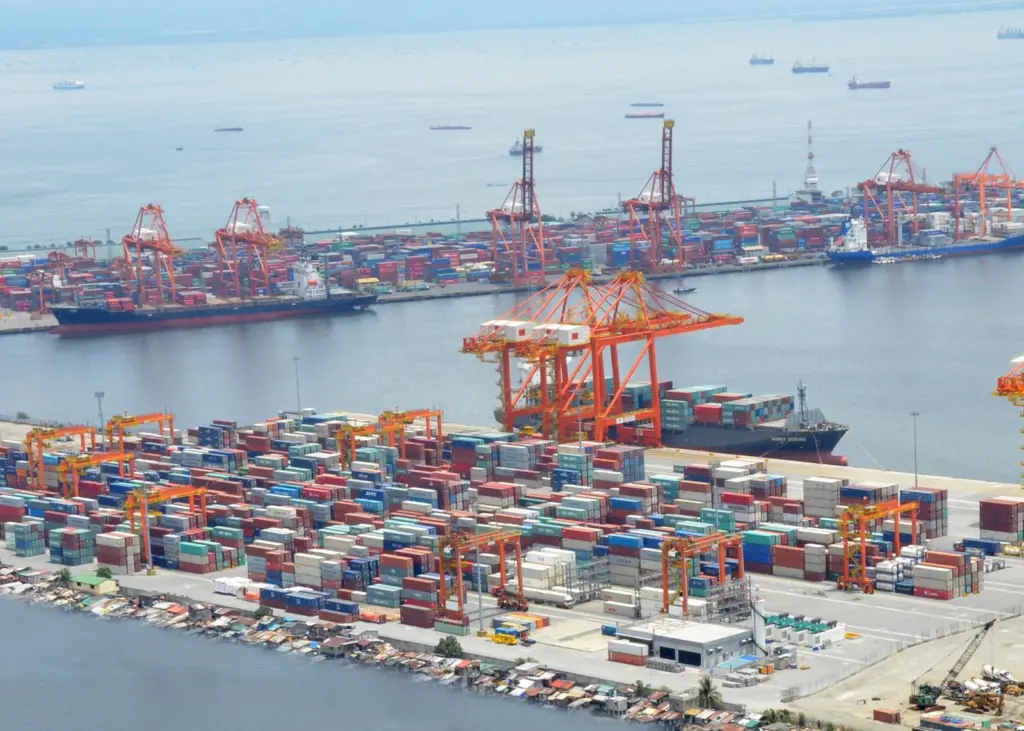
COMMENT: It’s a mess in Manila: empty boxes have been left to languish on the docks, trucks have been blocking up the highways and extreme, disconnected measures have caused a catalogue of knock on effects, writes Carly Fields.
A few have been positive, but in the main it’s been a PR nightmare for the port and its terminals.
Back in February, when the local authority put in place a daylight hour truck ban to ease congestion on the roads all it did was push that congestion on to the quays, which stopped further ships from calling as box storage space was exhausted.
The ban and subsequent issues have highlighted two issues at the port: the effect of handling a high number of empties and how cargo overstay can quickly cripple a port.
Manila handles 900,000 empty teu a year, mostly through ICTSI’s Manila International Container Terminal, and overstay is regularly 10% of containers at MICT and 25% at Manila’s South Harbor.
Measures have been put in place to ease congestion including a temporary easing of the truck ban, the shifting of any containers that have been left for more than 90 days, a search for land to lease to house empties and a near 2,000% hike in storage fees for any cargo that stays in the port area for more than 11 days after it been given all the clearances necessary for onward transportation. Manila has also called on businesses to collect shipments during the weekend, but a return to normal traffic levels is still some way off.
There are winners, though: around the coast from Manila, other public ports with private terminals are picking off Manila rejects. Batangas and Subic Bay Freeport have the required capacity, in terms of equipment, manpower and berths, to handle exports and imports and by a presidential Executive Order, Subic’s NCT-2 is now an official extension of the clogged up Port of Manila.
But the incentives don’t stop there. Subic Bay has slashed port charges to increase its attractiveness to lines. Calls at the two terminals of its New Container Terminal (NCT) and the extension port in Batangas will cost 80% less from the start of October.
These cuts will cost Subic Bay Metropolitan Authority up to $15m, but the authority see this as a small price to pay for the additional traffic that it might be able to lure in. After six months the rates will rise again, but in the words of the SBMA chairman Roberto Garcia they will “still be lower than the regular rates today”. Subic looks set to almost double traffic this year, largely on the back of the Manila congestion, and is clearly keen for this trend to continue.
These viable alternatives mean that when the congestion issue is solved, Manila may find that much of its traffic does not return. But that’s just one of the challenges that the port faces. Labour has already been affected: reports claim that 20,000 workers have had less work since the truck ban-related issues raised their ugly head.
And the port authority is losing a great deal of money: a report by Citi Research published in August calculated that annual economic losses from the port congestion could reach 2.9% of GDP, equal to $7.3bn.
How the port appears in the public eye is another cause for concern. Relationships between ports and the general public can often be strained; when the port is blamed for sizable delays to your journey home, any built up goodwill will be quickly wiped away.
This all serves to neatly illustrate how important the links are between local government, national government, public port authorities and private terminal operators. A decision made in silo that may aid a political end could throw a sizable spanner in the works of everyday port operations, reiterating the need for close relations with public bodies.
Related Articles
 OPERATIONS
 INSIGHT & OPINION