![PortStrategy[GreenPort]](https://www.portstrategy.com/wp-content/uploads/2026/09/PortStrategyGreenPort.svg)






Short term pain
Coal price volatility has sent waves of concern through the world’s coal ports. Dave and Iain MacIntyre report
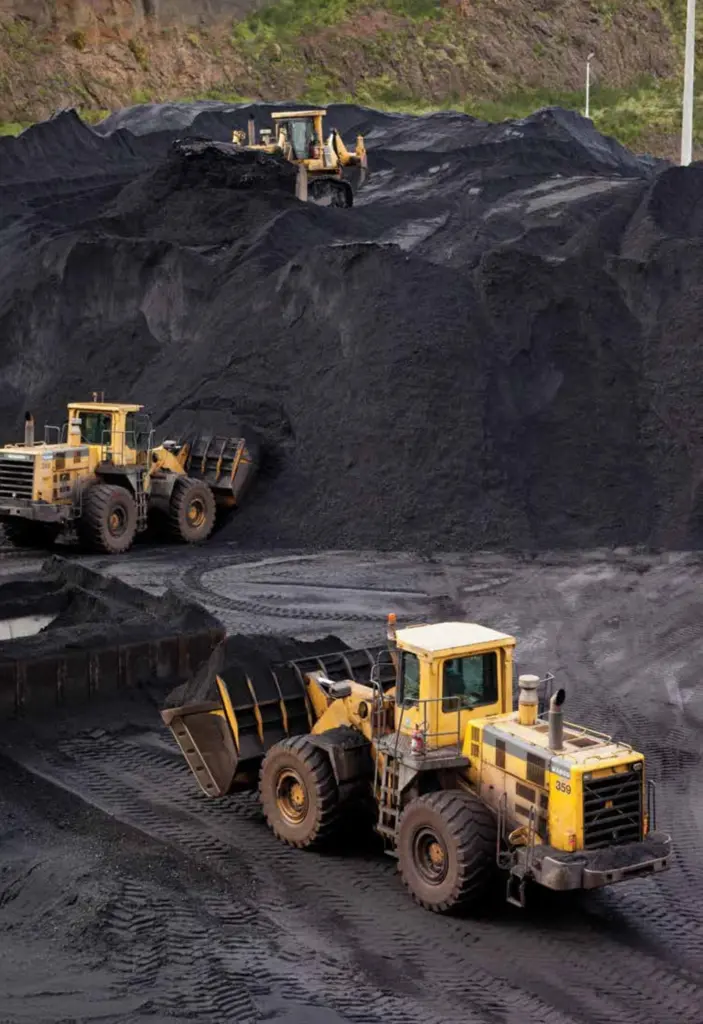
Coal challenge for Lyttelton
The challenges faced by ports highly reliant on the coal trade is illustrated by Lyttelton Port of Christchurch (LPC) in New Zealand.
LPC is the major gateway for coal exports originating from the West Coast of the South Island, with storage for up to 335,000 tonnes.
Although the port recorded coal throughput of 2.07m tonnes in 2013-2014, state-owned coal miner Solid Energy is in retrenchment mode.
In its 2014 annual report, Solid Energy reported a 29% dip in revenue and a net after-tax loss of NZ$181.9m.
Solid Energy chief executive Dan Clifford talked of reshaping the company to withstand a “challenging economic environment” through substantial cost reductions and simplification of operations.
In a recently-released statement, acting chair Andy Coupe announced the board was deferring presentation of its interim accounts until assessment could be made of an updated prediction that coal prices will not recover as quickly as previously expected.
“It is not about current performance or any immediate difficulty in meeting our commitments. It is about the impact on our balance sheet of future pricing for coal and our consequent diminishing ability to repay or refinance debt when it falls due from September 2016,” he said.
Whatever direction Solid Energy takes will be of extreme importance to Lyttelton.
In the 2010-2011 year coal represented 22% of its overall cargo throughput and the following year its coal exports rose to a record 2.45m tonnes.
Coal is still listed as one of the “principal activities” in the port company’s latest annual report but management is now speaking of a “predicted downturn” and may be reviewing its future prospects in that niche.
In an ironic positive twist for LPC, a NZ$25m planned expansion to its coal handling facilities was postponed in early 2012 as focus at the time moved to other post-earthquakes rebuilding activities. These works included a ten-hectare reclamation to expand the existing coal stockyard. That deferment may prove prescient.
Related Articles
 CONTAINER & CARGO HANDLING
 CONTAINER & CARGO HANDLING
 BULK HANDLING