



AFRICAN PORTS PROGRESS
The International Association of Ports and Harbours (IAPH) held its Pan African Ports Conference in Douala, Cameroon last December. Steve Cameron was there.
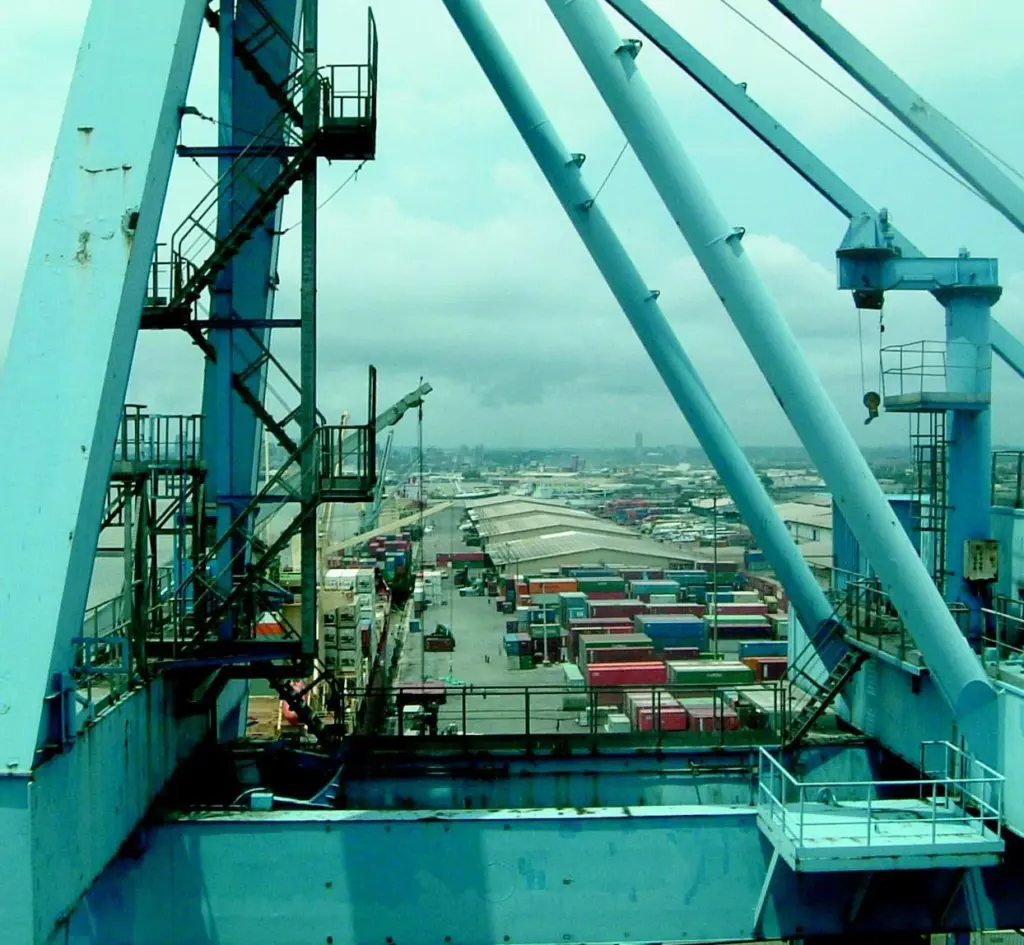
The third IAPH Pan African Ports Conference saw delegates from Casablanca to Port Said, from Dar Es Salaam to Durban.
The West African ports were well represented too with delegates from Senegal Cote D’Ivoire Ghana, Togo, Benin, Nigeria, the Congo and Angola.
Opening the conference, John Begheni Ndeh, Cameroon’s minister of transport, stressed that Douala is an important gateway to West and Central Africa and in particular to the landlocked countries of Chad and the Central African Republic. Col. Edouard Etonde Ekoto, president of Port de Douala, outlined the objectives of the conference as the need to respond to the challenges and developments of globalisation.
He reminded delegates that African countries needed successful ports for their economies to grow. He also highlighted that, attracted by work opportunities, African ports gather burgeoning populations, and that port managers need to remember that their responsibilities for the environment and safety, extend not just to their shareholders but to employees and the local community as well.
The conference, chaired by Peter Struijs, vice chairman and executive director of the port of Rotterdam, noted the new information age and the network created, have given a substantial boost to the inexorable process of globalisation. As production processes are increasingly shifted to low-cost regions, Africa – and African ports – with rich natural resources and competitive labour, should benefit.
It is clear to many of us who have worked here that African ports have made significant progress and gains in port performance during the last 10 years. This was ably demonstrated by the conference’s presentations which covered, amongst other topics, technical developments that African ports are implementing, port community networks in Casablanca and Dakar, the focus on improved customs clearance for inland cargo corridors by Namibia and improved cargo tracking for intermodal movements from Dar Es Salaam and Mombasa through Tanzania and Kenya to Rwanda, Uganda and the Democratic Republic of Congo.
The Coego project for a new 500,000TEU capacity terminal 20km from Port Elizabeth was also discussed. It looks as if P&O Nedlloyd together with the specialist African port project incubator TCI Infrastructure, have secured preferred bidder status. The two companies are also part of the core consortium for the new Ille de Boule terminal development being promoted by the port of Abidjan where the Vridi container terminal concession is also under the review spotlight at present and attracting considerable attention given its importance as a regional transhipment hub. And in Cameroon it looks as of the container terminal concession in Douala is likely to go to a consortium including Bollore and APM Terminals.
Whilst all this progress should help African ports improve their performance and stimulate economies, the changes are causing concern in some sectors. The smaller shipping lines, generally the regional specialists, are concerned at the conflict of interest caused where container terminal operations and liner shipping companies fall under the same ownership as is the case with Bollore (the owners of Delmas and OTAL) and APM Terminals, part of the Maersk Group.
Whilst some of these smaller operators also have their own stevedoring licences they are concerned they will be squeezed out by pressure from the larger container concessionaires. This is certainly an issue occupying the minds of the senior management of the panAfrican specialist Messina Lines and md, Dr Cerruti, was in Douala during the conference to seek assurances from the government that they would be able to continue their own stevedoring operations.
What is very significant for the African ports is the huge investment by the oil industry taking place along the Atlantic coast from Morocco down to Angola. Equatorial Guinea, adjacent to Cameroon, has shown a massive growth rate of 65% recently and is now one of the fastest growing economies in the world. The ChadCameroon pipeline is one of the largest American investments ever made in a sub-Saharan country and in Nigeria, where oil and gas comprise more than 90% of the GDP, it is forecast that the current 33.7 billion barrels of recoverable oil will increase to 40 billion barrels by 2010. This coupled with Nigeria’s expected LNG production of 28 billion /yr will make it the biggest supplier in the Atlantic Basin replacing Brent Crude as the benchmark.
Related Articles
 PORT & TERMINAL NEWS
 PORT & TERMINAL NEWS
 PRODUCTS & SERVICES