
Despite a short term slowdown, long terms prospects for Chilean ports look bright, finds Alex Hughes
New kids on the block
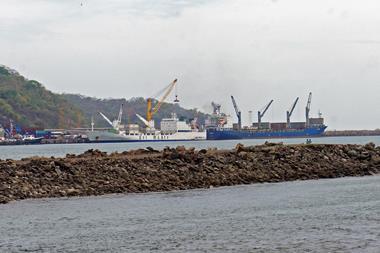
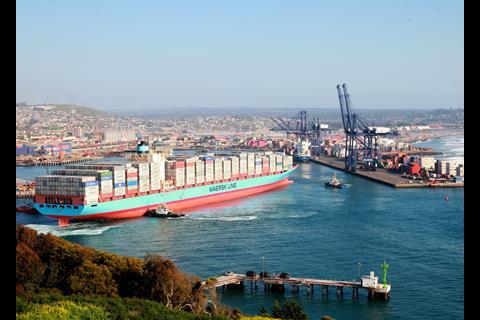
The current situation with regards to container terminal provision in Chile's key central region is changing. In the short term, new box terminals are being added at both Valparaíso and San Antonio, while the government is backing a much more ambitious deepwater development over the long term.
For TPS, the new rival is known as TCVAL, which will operate the new Terminal 2. Asked whether this will prove competition for TPS' existing cargo, or whether it will generate entirely new movement, TPS' spokesperson said it is difficult to predict with any certainty how the market will evolve and therefore what type of traffic will be generated by TCVAL. It a case of ‘wait and see’ on that front.
In respect of the new deep water port, Valparaíso port authority’s Erick Novoa notes: “The government, which is studying various possibilities, will take the final decision on the best location, which could also encompass the simultaneous development of two terminals: one in Valparaíso and another in San Antonio; or it might simply choose to build one mega-port. The consensus view seems to be that both ports are complementary and that it would therefore be logical for both of them to grow.”
Despite this, he does identify certain key advantages offered by Valparaíso, especially in terms of innovation, which has resulted in the port becoming something of a reference point in Latin America in the area of logistics.
He also emphasises the quality of the port's workforce, which has seen Valparaíso enjoy relative labour peace compared with other Chilean ports in recent years. Furthermore, he notes that it will take at least ten years before such a new port enters service, give Valparaíso even more time to cement its importance.