





Championing the clean air cause
One American port is championing the safekeeping and environmental care of its diverse ecosystems.
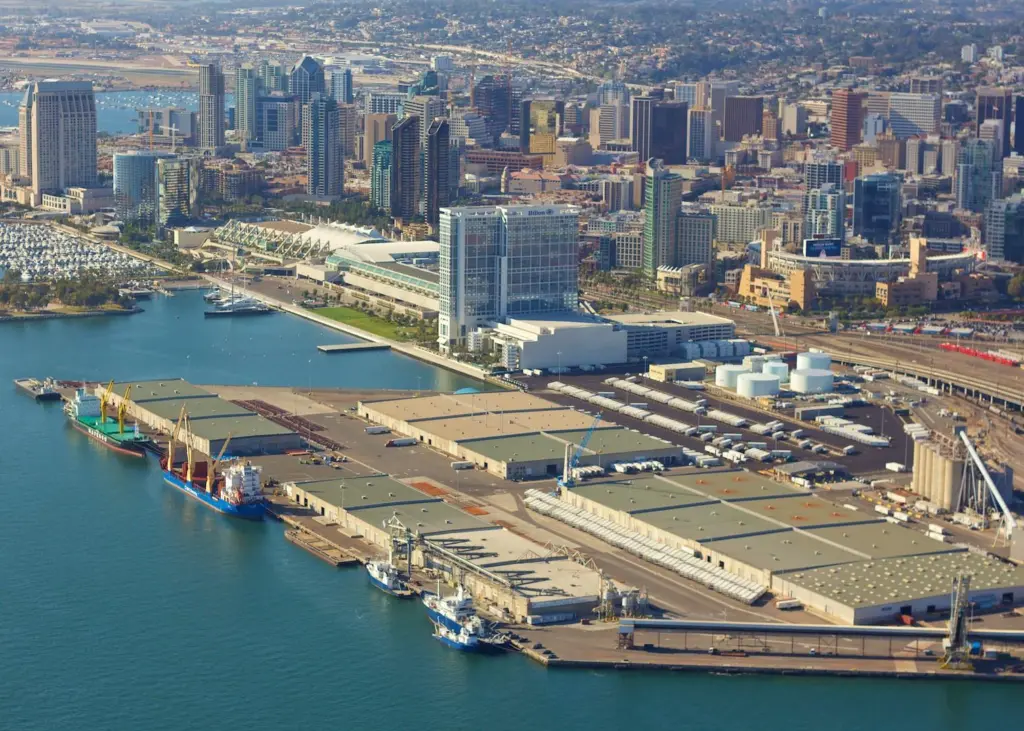
The Port of San Diego is developing a Maritime Clean Air Strategy (MCAS) as part of continued efforts to identify projects that will improve air quality as well as reduce greenhouse gas emissions.
It’s all part of making the “Transition to more efficient, modern, and sustainable maritime operations,” the port said.
Involving stakeholders
As an update to the Port’s 2007 Clean Air Program, the MCAS identifies goals and objectives to reduce emissions associated with the following seven maritime-related sources: Cargo handling equipment, commercial harbour craft, heavy duty trucks, the port’s fleet, shipyards, ocean-going vessels, and freight rail.
The MCAS will help the port determine which efforts are feasible and how they should be prioritised and/or phased in over time. The MCAS is also intended to help clarify the role the port may play in supporting tenants and terminal operators with transitioning to zero and near-zero emission technologies.
San Diego port has been investing in clean air projects and deploying new technologies with various partners through its Clean Air Program (2007), Climate Action Plan (2013) and the Tenth Avenue Marine Terminal (TAMT) Redevelopment Plan’s Program EIR (2016).
These efforts have been steadily increasing over the years, starting primarily with initial and continued investments in solar panels and shore power and more recently, expanding to mobile charging stations and other emerging technology like a microgrid at TAMT.
The port is now at the point of seeking additional community and stakeholder feedback on its MCAS.
The discussion draft is available online at portofsandiego.org/MCAS. Written community feedback will be accepted via email to MCAS@portofsandiego.org through 20 April 2021.
Related Articles
 ALTERNATIVE FUELS GREENPORT
 OPERATIONS
 ALTERNATIVE FUELS GREENPORT