

A UK-led consortium has completed a major project that aims to prove that clean hydrogen can safely and affordably power ports and vessels at scale.
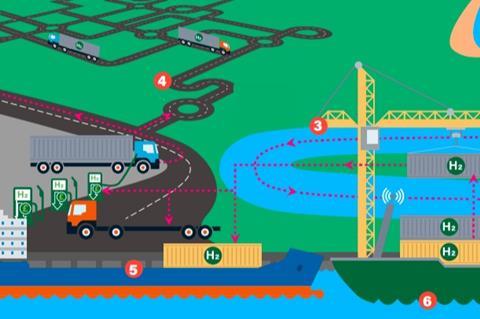
The Maritime Hydrogen Highway, led by the Port of London Authority (PLA), explored the full hydrogen supply chain - from offshore generation to port bunkering - in a GB£1.2 million programme backed by Maritime Research and Innovation UK (MarRI-UK) and the Department for Transport.
“This programme is about taking a lead on maritime decarbonisation,” said Robin Mortimer, CEO, PLA.
“From floating wind to autonomous hydrogen vessels, we’ve demonstrated a theoretically viable option for green hydrogen generation and transportation using existing infrastructure.”
Hydrogen delivery
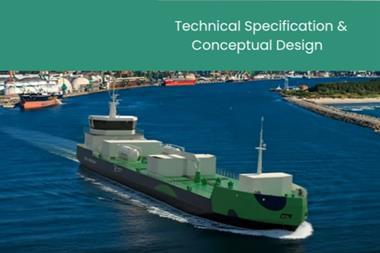
The three-year study found that green hydrogen, produced by UK floating windfarms and delivered by autonomous vessels, could slash emissions and fuel costs across maritime and local logistics networks.
The model aimed to reduce reliance on pipelines by using mobile hydrogen containers, delivering hydrogen at just GB£6 to £7 per kg, half the cost of other sources.
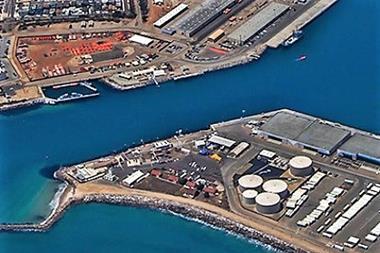
“Hydrogen presents a huge opportunity for the UK’s port cities. This work shows how we can use our existing infrastructure and natural resources to deliver low-carbon energy exactly where it’s needed,” said Mr Mortimer.
”For the Port of London, it also supports our path to sustainable growth, supporting jobs, trade and innovation while cutting emissions on the river and beyond.”
Despite technical readiness, the project highlights urgent gaps in regulation and funding.
The PLA and partners are now urging the UK government to implement clear maritime hydrogen regulations, support investment in early-stage port infrastructure and drive cross-sector collaboration to create a viable alternative fuels economy.