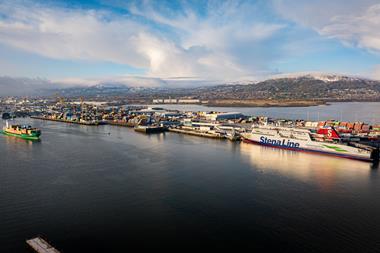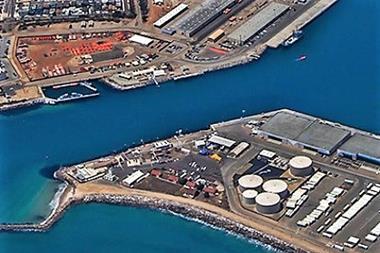




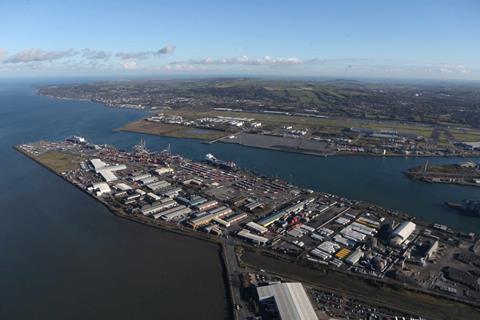
Belfast Harbour in Northern Ireland has announced a significant 18% reduction in its greenhouse gas emissions for 2023, positioning itself to achieve net zero in its direct operations well ahead of its 2030 target.
Since 2015, Belfast Harbour has slashed its GHG emissions by 57%, with a further 40% reduction anticipated in 2024. A key driver of these reductions has been the harbour’s commitment to electrification.
“We are on track to be the first net zero port operator in the UK and on the island in the coming two to three years which is a huge achievement,” said Joe O’Neill, chief executive of Belfast Harbour.
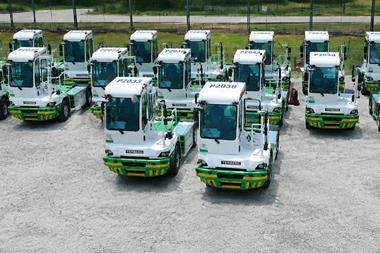
The introduction of electric vehicles across its fleet and the use of low-carbon alternative fuels, such as hydrotreated vegetable oil in pilot boats and plant machinery, have significantly lowered Scope 1 and 2 emissions—those generated and purchased directly by the harbour’s operations.
“Our ambition doesn’t end there,” continued O’Neill. “As one of the leading responsible businesses in the region we are working to find effective ways to tackle more challenging Scope 3 emissions in our supply chain.”
The harbour’s transition to 100% renewable electricity for its direct operations, a milestone achieved in 2019, has further contributed to its progress. This commitment to sustainable energy solutions is also reflected in the harbour’s development projects, including housing the UK’s first bespoke offshore wind assembly terminal and the completion of Northern Ireland’s first BREEAM ‘Excellent’ logistics warehouse.
This milestone was highlighted in the launch of the harbour’s inaugural environmental, social & governance report, which tracks sustainability initiatives using global reporting initiative standards.Belfast Harbour in Northern Ireland has announced a significant 18% reduction in its greenhouse gas (GHG) emissions for 2023, positioning itself to achieve net zero in its direct operations well ahead of its 2030 target.