


LBC Tank Terminals Group (LBC) and duisport have signed an MoU to develop an inland ammonia terminal with the aim of strengthening Germany’s emerging energy hub network.
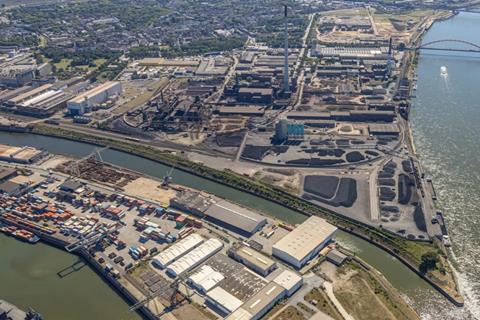
The agreement, which also includes work on a new CO2 terminal, paves the way for a major expansion of port infrastructure in Duisburg, as a satellite to LBC’s flagship Vlissingen project, extending the Dutch port’s green energy hub deeper into Germany’s industrial heartland.
“We look forward to joining forces with duisport in building a resilient connection between Vlissingen and Duisburg, supporting Europe’s hydrogen and CO2 supply chains,” said Frank Erkelens, CEO of LBC Tank Terminals.
”This partnership unites leading logistics and terminal operations expertise to support the European industry in advancing sustainable solutions and reflects our shared commitment to driving growth while accelerating decarbonisation across the region.”
Ammonia supply
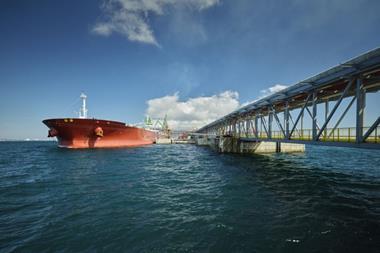
The new terminal is designed to receive ammonia by barge from Vlissingen, featuring on-site ammonia cracking capacity and distribution infrastructure to supply German industry with low-carbon hydrogen while enabling efficient handling and export of captured CO2.
For duisport, the collaboration strengthens the Rhine corridor as a sustainable logistics axis and accelerates the port’s transition into a future-focused energy hub.
The project complements duisport’s existing plans for a tank farm at Rheinkai Nord and underscores the role of ports as vital conduits for alternative fuels, including ammonia.
By creating a direct supply chain link between the Netherlands and Germany, the partners aim to deliver a seamless import, storage and distribution model essential for industrial decarbonisation.
The Duisburg ammonia and CO2 terminal is targeted to begin operations by 2030, marking a significant milestone in Europe’s broader energy transition efforts.
Last month, Duisburg and Rotterdam committed to jointly developing sustainable transport corridors to transport CO2 and alternative fuels, as well as future initiatives for the energy transition.