



EU project enhances Noatum light levels
Spain’s Noatum Container Terminal looks set to significantly cut energy consumption with a new dynamic lighting system being tested at the terminal.
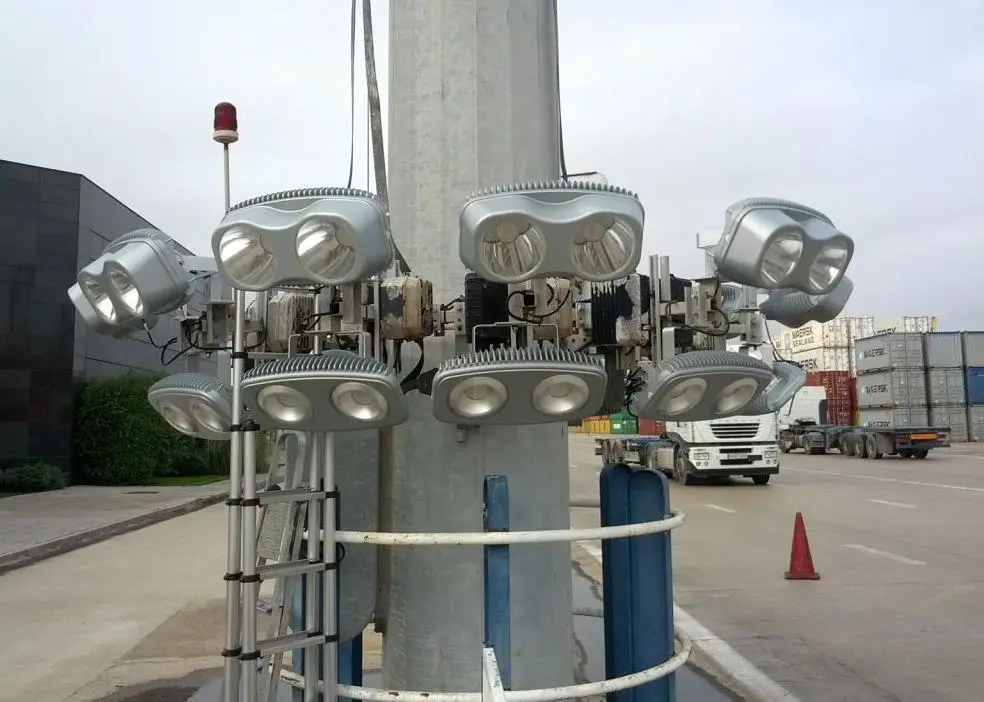
Developed by Ingeniería de Aplicaciones Energéticas SLU (EDAE), the lighting system includes LED luminaires and a software that manages the lighting needs and is said to reduce the lighting levels by a third as long as there are no operational activities going on in the areas overseen by the lighting towers.
In addition, the system automatically adapts the lighting conditions during the hours of daybreak and dusk so that there are no abrupt changes to the lighting levels at the container port terminal. The testing of the lighting is expected to save up to eight times the current energy consumption at the terminal during the three-month testing period from September to November.
Ingeniería de Aplicaciones Energéticas SLU (EDAE)’s development is part of the European Union TEN-T Smart, Energy Efficient and Adaptive Port Terminals (SEA TERMINALS) project that aims to boost the evolution of the port industry towards a progressive and effective low-carbon emission operative model, integrating smart and energy-efficient technologies through innovative business and energy-efficient solutions.
Led by the Fundación Valenciaport, the project involves the Port Authority of Valencia and Spanish ports operator, Noatum. The project will also see the testing of a new design of reach stacker and container handler developed by Hyster (NACCO Materials Handling Group), electric tractors developed by Terberg, and a Smart, Energy-Efficient and Adaptive Management Platform (SEAMS) system.
The objectives of this latest prototype are, on the one hand, to improve the management and reduce energy consumption for lighting at the terminal, with a subsequent fall in associated greenhouse gas emissions. Furthermore, the system is expected to operate remotely and in real time, adapting the lighting needs using a user-friendly interface that facilitates decision making by terminal staff.
Ingeniería de Aplicaciones Energéticas SLU’s prototype will be connected to the Operational Management System, developed by Noatum, Amplía Soluciones and the Valenciaport Foundation.
Pilot testing is set to begin at the terminal in September.
Related Articles
 ALTERNATIVE FUELS GREENPORT
 ENERGY & TECHNOLOGY GREENPORT
 ENERGY & TECHNOLOGY GREENPORT