




GLOBALISATION AND SUPPLY CHAIN REMAIN AT RISK
COMMENT: Ports struggle with congestions, carriers with lack of capacity and countries with more COVID-19. The pressure is not letting up, writes Ben Hackett.
Western Europe and the U.S. are self-congratulating themselves as the COVID-19 vaccination roll-outs gather pace and are preparing to remove most of the restrictions to normal life of the past 18 months.
Meanwhile Australia, New Zealand and Singapore continue to barricade their islands against the virus onslaught. Yet the virus refuses to be defeated as new, more infectious variants appear. China is also facing serious problems as their ports in the Pearl River Delta are facing renewed outbreaks causing a port shutdown at Shenzen’s port of Yantian and carriers cancelling calls to other ports in the region. The pressures are causing a backlog of goods to be exported and congestion as some ships wait to see if they can enter the impacted ports.
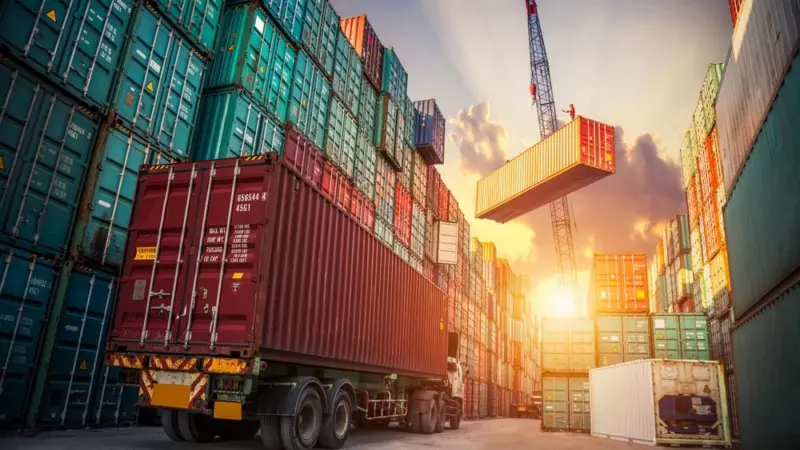
The bottleneck is the latest COVID-related disruption to hit supply chains, as China exporters are scrambling to meet surging demand in the West. The unprecedented demand has put pressure on the supply chain as there are bottlenecks not only in Asia but in the European and American ports with ships waiting for docking space.
Ports are struggling with labour shortages as are hauliers and inland freight depots. Carriers and terminal operators are talking about congestion delays continuing throughout the remainder of this year.
Los Angeles estimates that it will likely spread into 2022. The North America Global Port Tracker projects container imports, in 20-foot equivalent units, into major U.S. ports in May, at over 2.3 million which puts it on track for the busiest month in Global Port Tracker records dating to 2002.
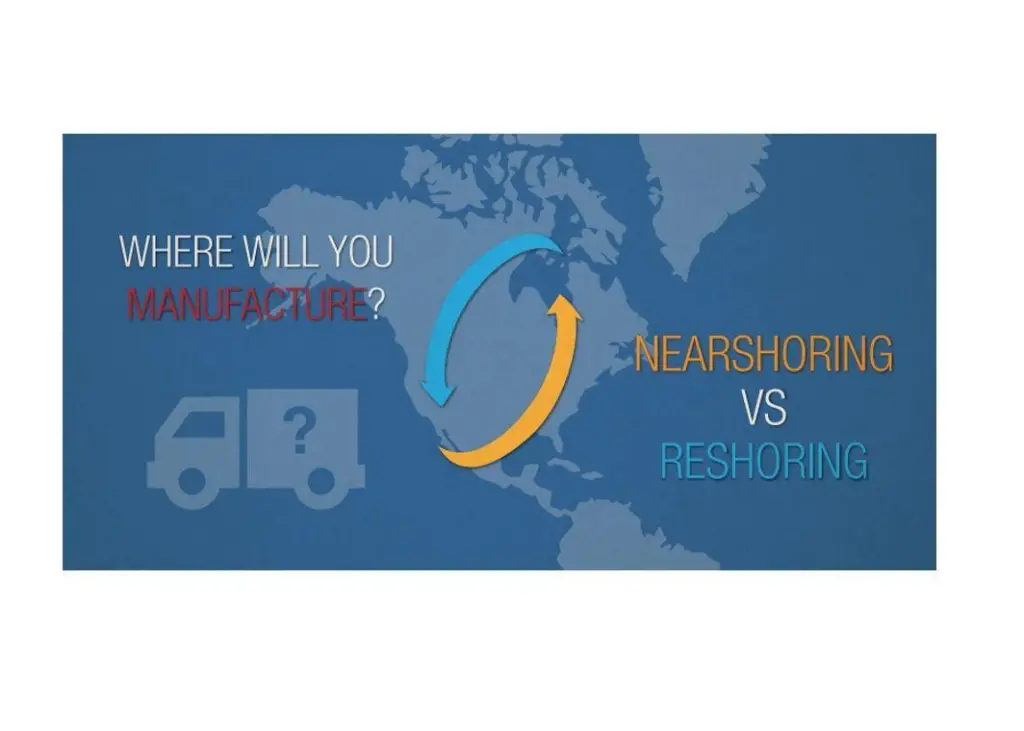
As one CEO of a major shipping line said following the rebound from the 2008 Great Recession: “Where did all that come from?” Trade wars aside, there is a growing trend for industrial companies and importers of consumer goods to look to find near shore suppliers as the way around these problems.
This puts increasing pressure on the tenants of globalisation where cheap labour is the end all and be all for the international trade of goods. This is especially true as ocean freight costs continue to increase at an unprecedented rate. Ports need to take this into account in their longer-term strategic planning.
Related Articles
 INSIGHT & OPINION
 INSIGHT & OPINION
 INSIGHT & OPINION