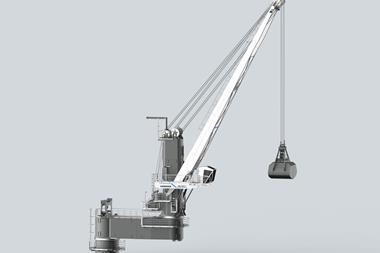


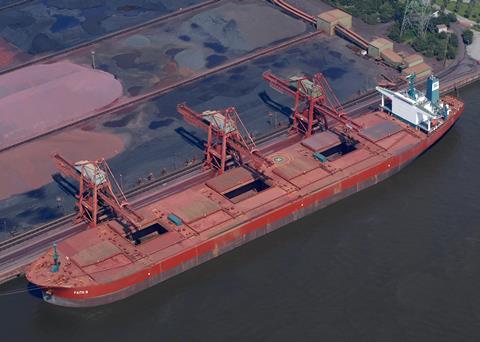
Hansaport specialises in the handling of coal and iron ore; however, Bernd Mann, chief development, design and technology officer at automation partner iSam points out that an automated system could be used for any commodity unloaded using grabs, which could, for example, also include potash and sugar.
“As in manual mode, the operation becomes easier for 'well behaving' – by which I mean not too sticky – materials,” he says.
In his opinion, automated grab operation can give similar levels of efficiency to those that would be expected from a well trained manual operator. A major advantage, however, is the very consistent, overall performance; something which is more difficult to obtain in manual mode, given that operators will change throughout the day.
“We have received several inquiries from European and North American ports following the project at Hansaport and we are expecting a second operator to make a final decision in the first half of 2014,” says Mr Mann. Nevertheless, he remains realistic as to how many terminals worldwide will eventually automate bulk grab operations.
“We don't expect all of them to switch to automated unloading as the system needs a certain level of infrastructure in place and also maintenance capabilities on the ground to be operated successfully. However, we do expect all major port operators to look very thoroughly into the technology. In the long run, there is no reason why a port should continue to operate the grab unloader manually while the rest of the port infrastructure gets automated,” he says.