



Red sea trigger to intermodal transfers?
In a slight re-wording of a popular aphorism, I can say with certainty that “We live in unpredictable times.”
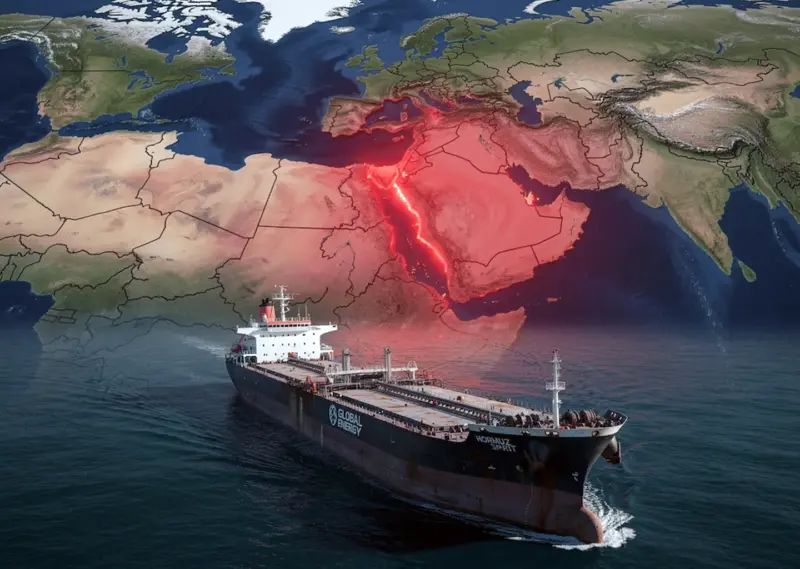
One need only watch the news about the hostilities in the Red Sea, the prices on the widely quoted container freight indices ratcheting upwards, and the multi-colored maps showing vessel diversions to understand why a new “supply chain crisis” might be looming on the horizon. Many port planners are implementing measures from exercises in “lessons learned” going back to 2021, with follow-ups into 2022.
As the trade flows are set to shift again (so it seems at the time of writing- three weeks into the new year), it’s best to be prepared. There’s more going on than just planning for lengthier voyages. In watching the numerous webinars, You Tube broadcasts, podcasts and conference calls from logistics providers and analysts, I am sensing that potential solutions for cargo shippers involve routings that might necessitate intermodal transfers.
With flows from Asia to Europe the most impacted by the lengthier (and more expensive, if the indices reflect reality) voyages around Africa, some logisticians are contemplating routings across the Pacific, then overland by surface mode, and then back on vessels going trans-Atlantic into Europe. Variations on this, for higher valued items, include an airfreight leg into the States and then an ocean move across the Atlantic. These may be stop-gap measures; it’s impossible to predict the course of the war; a longer war could make such routings longer lasting.
The planners reading this have been there before; the need for ports to deal with surges in activity generally became apparent over the past few years. By the way, planners already knew this but 2021 and 2022 provided a jolting reminder. Likewise, the “lessons learned” from the pandemic years certainly include encouraging port stakeholders to be nimbler in supporting intermodal transfers. If the hostilities and vessel diversions continue (again- at time of writing, the political and military “experts” on TV don’t see a cessation right away), and cargo interests take the suggestions of the logistics pundits to heart, then handoffs between modes could feature more prominently.
Most of the initial attention throughout the marketplace (and here in this article) has been on containerised cargo flows, but movements of refined petroleum products and some petrochemical trade flows may also be impacted; shifting around to meet new realities.
Though I am hoping that the “experts” are wrong- and that the shooting stops, being prepared for changes in cargo moves is never a bad thing.
Related Articles
 INSIGHT & OPINION
 INSIGHT & OPINION
 INSIGHT & OPINION