




Long Beach air pollution reduction
The Port of Long Beach has announced that it has surpassed all air pollution reduction milestones set for 2014.
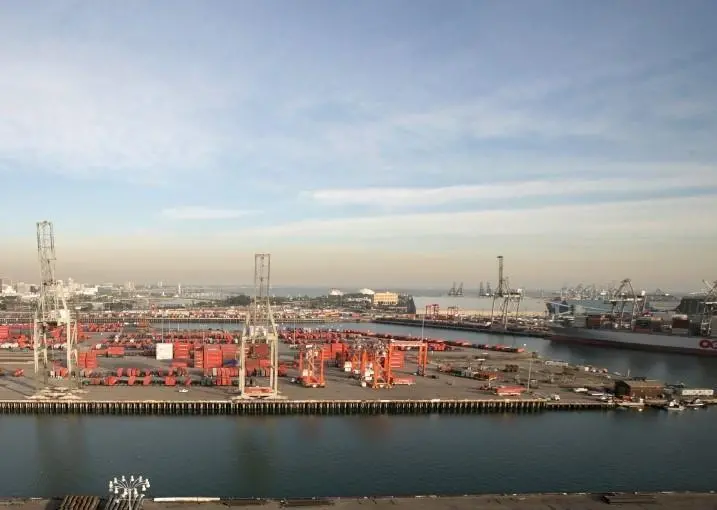
Air quality improvement programmes formed under the San Pedro Bay Ports Clean Air Action Plan are said to be the reason for the reductions. Including, cleaner diesel trucks, low sulphur fuel and the increased use of shore power for ships.
Allen Schaeffer, executive director of Diesel Technology Forum, said: “The Port of Long Beach has shown that accelerating investments in new technology clean diesel trucks has propelled the port to both environmental and economic gains.”
According to the annual emissions survey, the port has reduced diesel particulates by 85% since 2005, as well as NOx by 50% and sulphur oxides by 97%. It showed that 91% of the trucks that service the port’s terminals are diesel-fuelled vehicles.
In 2014, according to the Port’s Clean Trucks Programme (CTP) and the Ports Drayage Truck Registry (PDTR), 8.2% of terminal calls were made by alternative fuel trucks, primarily fueled by LNG.
“Because more than 95% of all heavy-duty trucks in the U.S. are diesel-powered, the advancements in diesel technology can play a major role in producing immediate air quality improvements,” Mr Schaeffer said.
He added: “Over the last ten years, emissions from heavy-duty diesel trucks, buses and other vehicles have been reduced by 99%for nitrogen oxides – an ozone precursor – and 98% for particulate emissions.”
Long Beach Mayor, Robert Garcia, concluded: “The Port of Long Beach remains the greenest Port in the world, reducing emissions while increasing economic activity. The consistent commitment to sustainability and our environment should be celebrated.”
Related Articles
 ALTERNATIVE FUELS GREENPORT
 OPERATIONS
 ALTERNATIVE FUELS GREENPORT