![PortStrategy[GreenPort]](https://www.portstrategy.com/wp-content/uploads/2026/09/PortStrategyGreenPort.svg)


Carbon capture benefits whole supply chain
What is reportedly the UKs first carbon capture project should help one port lower emissions and the Government hit zero carbon targets.
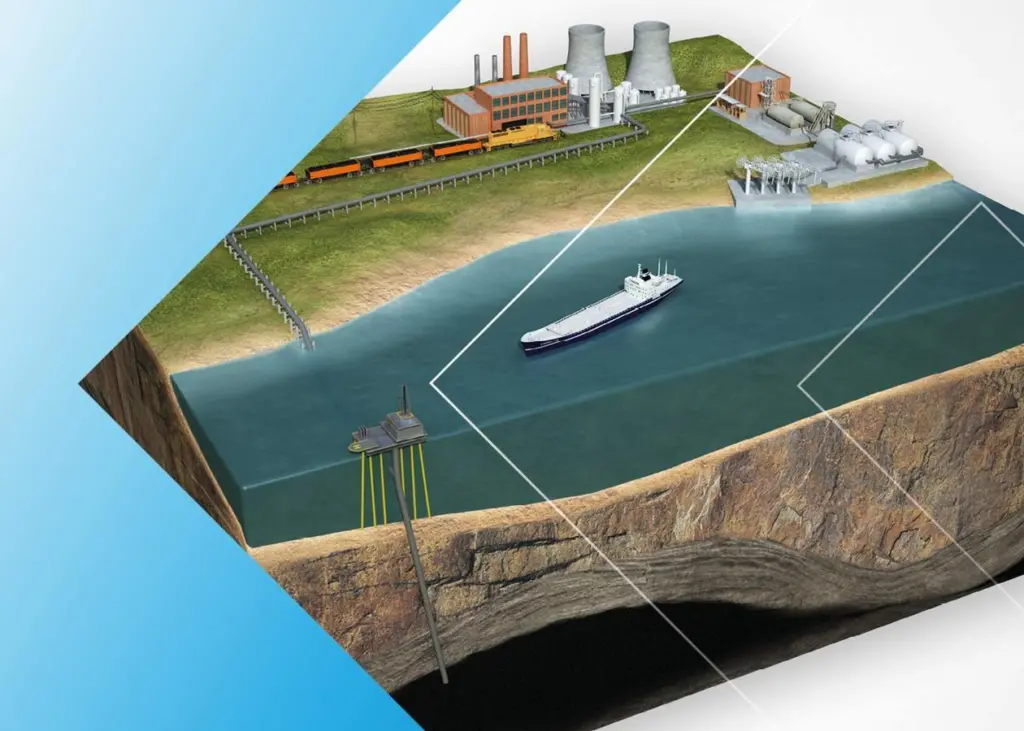
Costain will provide consultancy services to the Acorn CCS project, a low-cost, scalable carbon capture and storage scheme at the St Fergus terminal in Scotland, which is designed to be an enabler of other projects including provision of CO2 shipping facilities at Peterhead Port.
“[The project will] play a fundamental role in decarbonising gas for domestic and industrial heating, powering industry and large-scale transport. Large-scale and relatively cost-effective carbon capture at the source of production is key to unlocking this potential,” said Rob Phillips, energy sector director, Costain.
Knock-on effect
The CCS project is also a key enabler for the Acorn Hydrogen project where North Sea natural gas will be reformed into clean hydrogen for blending into the gas grid to decarbonise heating in homes and industries and powering decarbonised transport.
The St Fergus gas terminal receives around 35% of all UK natural gas and provides direct access to the UK gas grid. In addition to this, St Fergus is located close to a high concentration of offshore CO2 storage sites making it an ideal hydrogen production and CCS hub.
The current phase of the project is led by Pale Blue Dot Energy Ltd, supported by study partners Shell, Total and Chrysaor and part funded through BEIS and INEA as a European Project of Common Interest.
Costain will draw on its industry knowledge gained over 70 years of overseeing large-scale gas processing and separation facilities including CO2 and hydrogen separation in petrochemical, refinery and ammonia production.
The project should see should achieve its first injection of CO2 into the Acorn store by 2024.
Related Articles
 ALTERNATIVE FUELS GREENPORT
 ENERGY & TECHNOLOGY GREENPORT
 ENERGY & TECHNOLOGY GREENPORT