![PortStrategy[GreenPort]](https://www.portstrategy.com/wp-content/uploads/2026/09/PortStrategyGreenPort.svg)


Carbon capture feasibility study begins
A Belgian-Dutch consortium has launched a project to examine the feasibility of Carbon Capture & Utilisation/Storage (CCUS) with the potential to potential to cut CO2 emissions in port areas 30% by 2030.
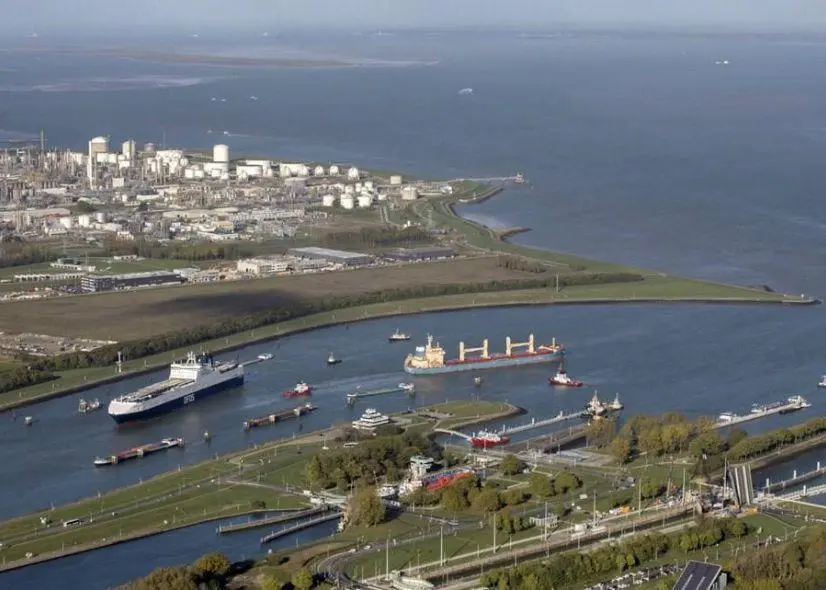
The Carbon Connect Delta consortium will aim to reduce CO2 emissions in North Sea Port, which includes the port of Ghent in Belgium and the ports of Terneuzen and Vlissingen in the Netherlands.
The consortium, which includes North Sea Port and Smart Delta Resources, will analyse every aspect, taking in the technical, economic and legal considerations, the infrastructure required to transport CO2 by pipeline or ship, financing options, commercial feasibility and permitting.
It expects to complete its feasibility study in late 2020 and aims to capture 1 million tonnes of CO2 annually from 2023 onwards, rising to 6.5m tonnes a year by 2030.
In so doing, Carbon Connect Delta would make a major contribution towards meeting the Paris climate targets and fulfilling the objectives set by the more recent European Green Deal.
In addition to North Sea Port and Smart Delta Resources, consortium members include industrial companies ArcelorMittal, Dow Benelux, PZEM, Yara and Zeeland Refinery, plus gas infrastructure operators Gasunie and Fluxys.
Smart Delta Resources is an international partnership whose members include energy- and raw-material-intensive companies operating in the Scheldt Delta region.
Related Articles
 ALTERNATIVE FUELS GREENPORT
 ENERGY & TECHNOLOGY GREENPORT
 ENERGY & TECHNOLOGY GREENPORT