



Maximising Value
Brad Saunders, Senior Principal Engineer & Technical Lead for APAC, Coastal & Maritime Engineering, BMT, sets out how for small ports a modern approach to asset valuation is appropriate and holds considerable potential to uncover hidden value
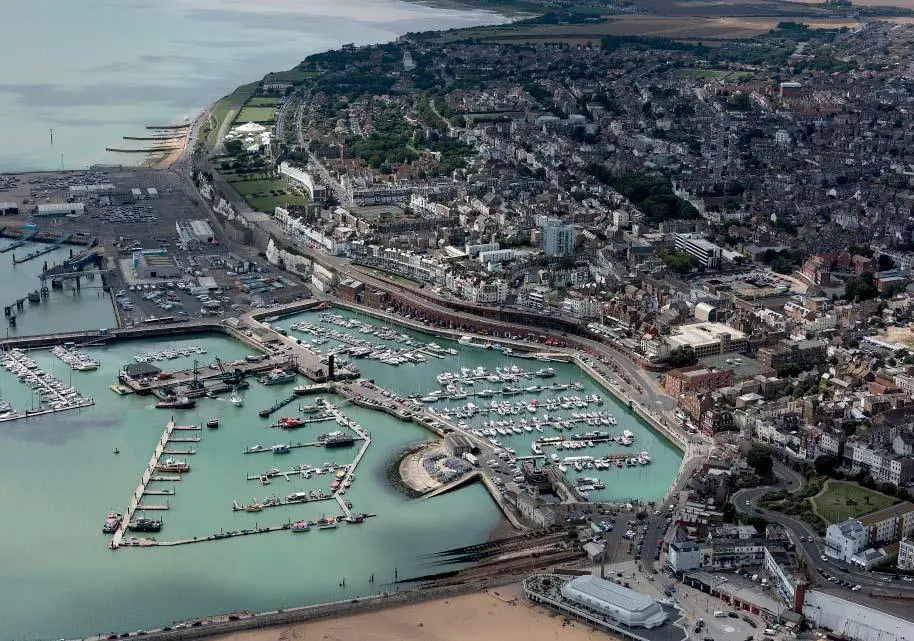
Smaller ports, despite their size, possess immense potential as crucial nodes in global trade and transportation networks. However, accurately assessing the value of their assets can be a daunting task, requiring specialised knowledge and insights. It can also be a job that in a small port environment that is carried out in a routine or traditional way that does not properly unlock an up-to-date asset valuation. This is where maritime consultancy firms come into play, offering their expertise in asset valuation to empower smaller ports and optimise their operations.
By leveraging the skills and experience of maritime consultants, these ports can uncover hidden value and pave the way for sustainable growth. Within this scenario there is also the important aspect that where asset replacement is concerned – for example harbour tugs and pilot boats – ports can ensure the charges levied against their use are adequate to facilitate timely replacement.
To a great extent, the ‘old rules’ governing small port asset valuation are no longer comprehensive enough. Smaller port valuations and investment has been progressively shaken up by revolutions in energy, mobility, and digitisation over the past decade. These revolutions are introducing new dynamics across the breadth of existing port infrastructure investments that previously appeared almost impervious to change. At the same time, economic and social transformations are introducing new types of investments that represent opportunity and efficiency for operators.
As a result, operators of smaller ports need to change with these ‘new dynamics’ in order for them to stay relevant, progress and to ultimately survive. Drawing on specialist advice and technical expertise from Port and Maritime Infrastructure consultants BMT, the following elaborates how small ports can stay ahead of the curve and be able to sustain their roles as important supply chain partners, in addition to diversifying themselves to become strategic economic development actors in the highly contested waters’ space.
To manage the ‘new dynamics’ introduced by the energy transition and other structural changes, operators need to move beyond the historical valuations’ approach that focused almost exclusively on relatively static technical assessments and financial models. Today, other factors need to be layered on for a full-picture understanding. This is partly due to the turbulence and turmoil linked to significant inflation, increases in interest rates, declining equity markets, and a looming threat of recession which comes on the heels of the deep disruptions caused by the COVID-19 pandemic. To a great extent, these structural shifts in the economic environment are becoming more and more uneven and harder to recover from
SIGNIFICANCE OF ASSET VALUATION
Asset valuation serves as a vital tool for understanding the worth and potential of a port’s infrastructure, facilities, and surrounding resources. For smaller ports, this process goes beyond financial figures and models, encompassing various factors that influence the port’s overall value.
- Infrastructure Assessment: Maritime consultants meticulously evaluate the port’s physical assets, including docks, terminals, warehouses, and equipment. They identify areas for improvement, optimising efficiency and capacity utilisation to enhance overall performance.
- Geographical Advantage: The location of a port greatly impacts its potential. Consultants analyse the port’s geographical position, proximity to transportation networks, and accessibility to key markets. This assessment helps identify opportunities for expansion and improved connectivity.
- Economic Evaluation: Understanding the economic viability of a smaller port is essential for long-term success. Consultants delve into cargo volume, revenue streams, and market dynamics, providing valuable insights into potential growth areas, niche markets, and diversification opportunities.
- Regulatory Compliance and Sustainability: Today, adherence to regulatory requirements and sustainable practices is a crucial aspect of asset valuation. Maritime consultancy firms assess a port’s compliance with regulations, environmental standards, and social responsibilities. This evaluation ensures that the port maintains a positive reputation and attracts environmentally conscious partners and investors.
LEVERAGING CONSULTANCY EXPERTISE
Maritime consultancy firms specialising in asset valuation bring a wealth of knowledge and experience to the table, allowing smaller ports to unlock their true potential in today’s world. By leveraging their expertise, these firms offer several key benefits:
- In-Depth Analysis: Maritime consultants conduct comprehensive assessments, considering both quantitative and qualitative factors. They provide a holistic view of the port’s assets, enabling port authorities and stakeholders to make informed decisions based on accurate and reliable data.
- Strategic Planning: Armed with detailed asset valuations, consultants work closely with port authorities to develop strategic plans. These plans focus on optimising existing infrastructure, identifying investment opportunities, and creating a roadmap for sustainable growth and development.
- Industry Insights: Maritime consultancy firms possess a deep understanding of the maritime industry’s complexities, trends, and emerging technologies. Their expertise enables smaller ports to stay ahead of the curve, adapt to evolving market conditions, and capitalise on new opportunities.
- Stakeholder Collaboration: Maritime consultants facilitate collaboration among port authorities, shipping companies, government agencies, and local communities. By fostering partnerships, they help create a supportive ecosystem that drives the port’s growth and benefits all stakeholders involved.
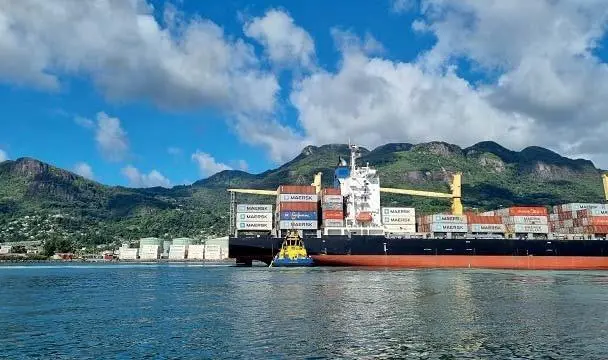
To conclude. asset valuation is a crucial step in unlocking the potential of smaller ports. By engaging maritime consultancy firms, these ports can leverage expert knowledge and insights to accurately assess their assets’ value. Through comprehensive evaluations, strategic planning, and collaboration with stakeholders, smaller ports can maximise their potential, attract investor interest and investments (for instance, via public funding agencies such as World Bank and ADP), and become vital contributors to regional and global trade.
By paying heed to the guidance of maritime consultants, these ports can often benefit by achieving higher valuations and securing public/private investor interest facilitated by a strong focus on enhancing their competitiveness, sustainability, climate change resilience, supply chain resilience, digitisation (operational efficiency) and decarbonisation efforts. Ultimately, this will enable them to efficiently plan ahead and to support their growing passenger/cargo volumes. Port managers can also navigate more confidently and freely amongst a vast proliferation of invisible and hybrid mix of opaque/transparent sea threats, seize opportunities, and chart a course toward long-term success and sustainability.
About BMT*
BMT is a leading international design, engineering, science, and risk management consultancy, driven by a commitment to excellence and sustainability. With over 1,300 professionals worldwide, we empower our customers to make informed decisions, delivering high-quality, high value services for the maritime industry.
Related Articles
 OPERATIONS
 OPERATIONS
 OPERATIONS