![PortStrategy[GreenPort]](https://www.portstrategy.com/wp-content/uploads/2026/09/PortStrategyGreenPort.svg)






Container prices to fall further
Global container prices are still falling with further drops expected.
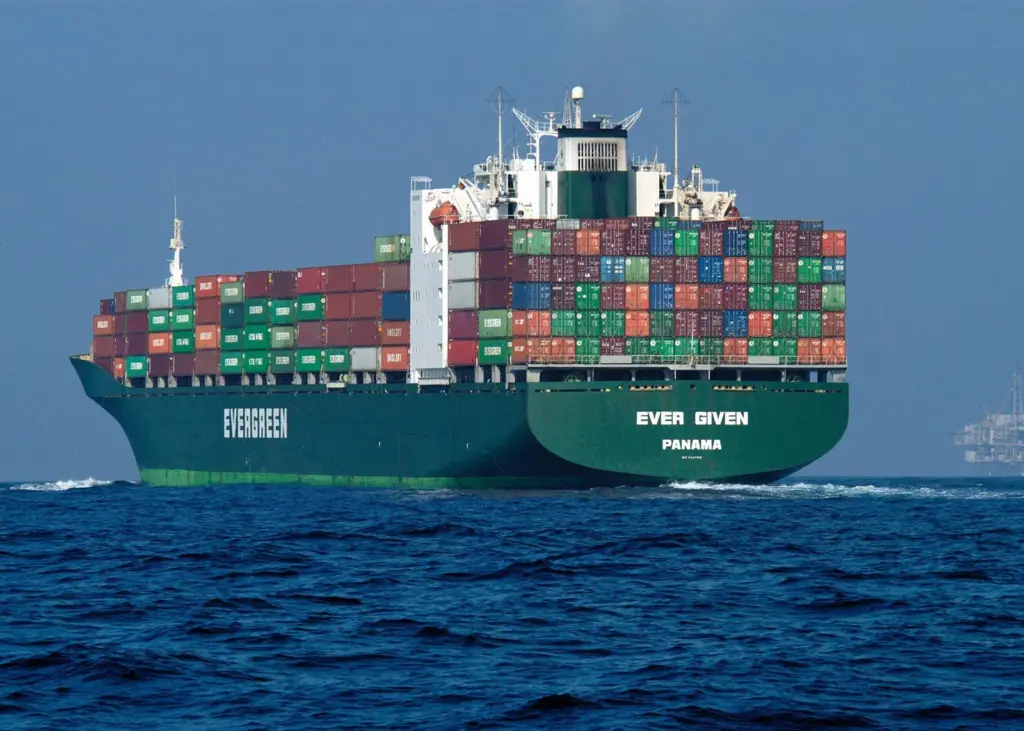
The latest data from Container xChange also highlights resurging supply chain disruptions caused by the Panama Canal drought, US West Coast labour strikes, and a sluggish economy in the Eurozone.
The forecaster predicts a further slide in average container prices in the coming weeks, with no signs of demand revival.
“Spot rates are at pre-pandemic levels in most trades, and contract rates are sliding. Coupled with low demand, the industry continues to grapple with overcapacity of containers and vessel capacity,” said Christian Roeloffs, co-founder and chief executive, Container xChange.
“For shippers this means that supply chain reliability will deteriorate again, potentially leading to a ‘pull forward’ on orders. This in turn will likely flatten out any peak season and further decrease the likelihood of a freight rate increase in the second half of 2023,” he added.
Average container prices expected to fall further
The average price trends of subsequent months from 2022 indicate that prices further declined in the months of July – December at a majority of ports. If the same trend continues, these prices could further fall.
“There are enough and more reasons to be pessimistic. With the peak season coming, the industry sentiment is negative. The industry is waiting for a demand comeback which doesn’t seem anywhere on the horizon,” said Roeloffs.
Retail sales lagging, US imports slump, inflationary pressures
According to the National Retail Federation (NRF), US retail sales are slowing, and US container imports are on track to drop by more than 20% in the H1 2023. Similar challenges abound in Europe with the Eurozone suffering the effects of high inflation.
“Both the US and Eurozone markets are experiencing disturbances contributing to a significant loss in consumer confidence, creating a ripple effect,” said Roeloffs.
“With consumer demand remaining persistently sluggish for the peak season, sticky inflation levels are poised to exert an additional detrimental effect on demand,” he concluded.
Related Articles
 EQUIPMENT
 OPERATIONS
 OPERATIONS