![PortStrategy[GreenPort]](https://www.portstrategy.com/wp-content/uploads/2026/09/PortStrategyGreenPort.svg)

Do not drop net-zero ball, urges ESPO
The European Sea Ports Organisation (ESPO) has voiced strong concerns following the International Maritime Organisation’s (IMO) decision to delay adoption of its Net-Zero Framework (NZF) by one year.
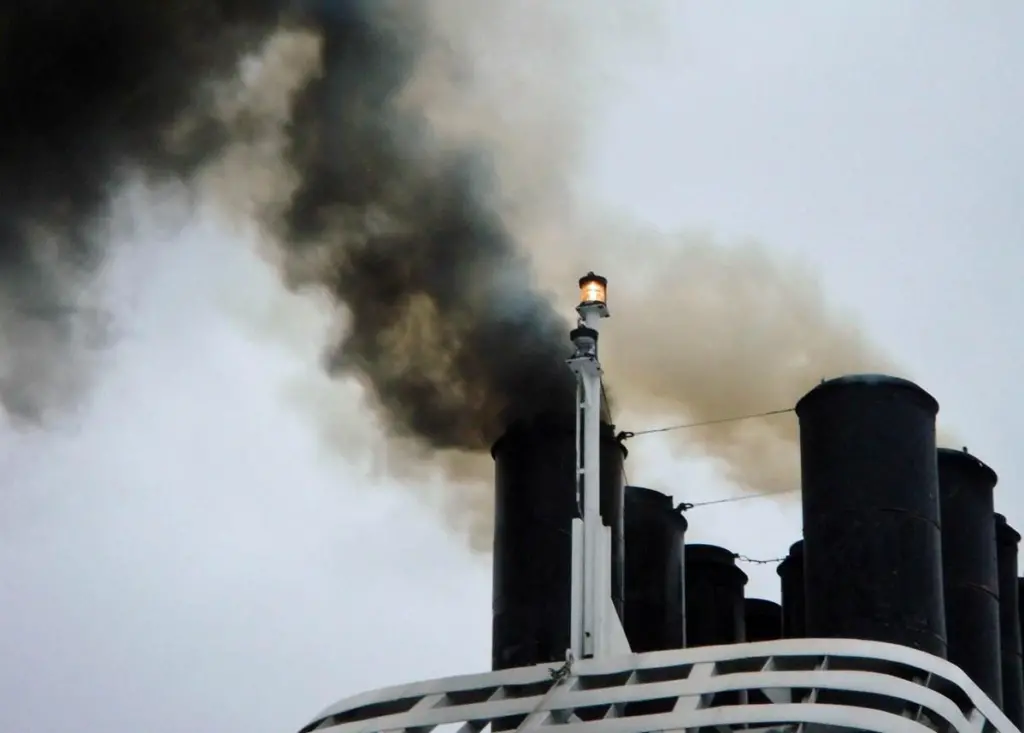
The decision, made during the Marine Environment Protection Committee meeting in London, is seen as a setback for global climate ambitions and the maritime decarbonisation agenda.
The NZF was expected to set a global baseline for greenhouse gas emission reductions in shipping, including a fuel standard and carbon pricing mechanism. ESPO believes the delay prolongs regulatory fragmentation and disadvantages ports and shipping companies operating under stricter regional regimes, such as the EU’s.
Despite this, ESPO supports the European Commission’s latest strategy to drive a global clean transition and urges continued political leadership to ensure momentum is not lost.
ESPO also recommends practical policy actions to keep decarbonisation efforts on track. These include tax exemptions for electricity and zero-carbon fuels at berth, targeted subsidies to close the cost gap between fossil and sustainable fuels and strategic use of EU ETS revenues to develop clean port infrastructure.
Incentivising demand and de-risking investment in clean fuel supply chains is vital, especially while global regulation remains uncertain, says ESPO, warning that Europe’s ports could suffer with competitiveness issues if regional measures are not aligned with future international frameworks.
While acknowledging that the IMO continues to work on technical guidelines, ESPO stresses the importance of sustained engagement from all stakeholders. The organisation urges the European Commission, member states and industry to keep pushing for a fair and enforceable global maritime emissions framework.
Until a global agreement is secured, ESPO calls for careful implementation of EU rules to mitigate unintended consequences on European port competitiveness and trade flows.
Related Articles
 EXPANSION & DEVELOPMENT
 CONTAINER & CARGO HANDLING
 PORT & TERMINAL NEWS