![PortStrategy[GreenPort]](https://www.portstrategy.com/wp-content/uploads/2026/09/PortStrategyGreenPort.svg)




Port investments drive sustainable growth
The Port of Hueneme is delivering a series of major infrastructure projects aimed at improving cargo operations, reducing emissions and strengthening California’s supply chain thanks to US$80 million in funding from the California Port & Freight Infrastructure Program (PFIP).
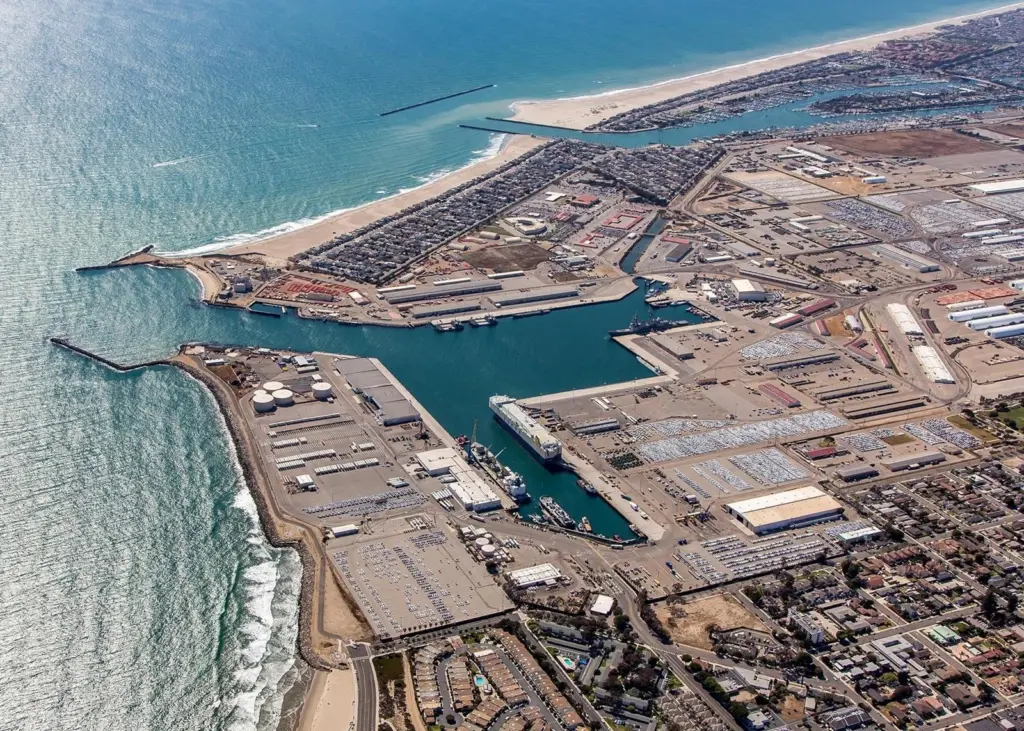
The investment is supporting upgrades across the port, including terminal modernisation, expanded cargo-handling space, shorepower improvements and workforce development. Port officials say the projects will increase operational efficiency while helping the facility achieve its goal of reaching zero emissions by 2030.
“We’ve leveraged PFIP funds to attract federal and private dollars totalling over $85 million,” said Port of Hueneme chief executive Kristin Decas.
“That means every dollar the state has invested through PFIP has delivered additional returns while helping us reduce emissions, boost the local economy and create good jobs.”
Among the completed works is the demolition of an outdated warehouse and the modernisation of a berth, creating two acres of new cargo-handling space. The project, valued at US$5.13 million, was the first PFIP-funded project completed anywhere in California.
Additional projects include a US$9.2 million upgrade to the south terminal’s shoreside power system, enabling vessels to connect to electricity while berthed instead of running diesel engines. The funding also supports wider infrastructure improvements alongside disaster recovery investments from the California Office of Emergency Services, as well as a relocated squid operation and the SPEED workforce development programme.
California State Transportation Agency Secretary Toks Omishakin said the projects demonstrate the wider benefits of infrastructure investment. “These impressive Port of Hueneme projects funded by the Port & Freight Infrastructure Program are not just critical for California’s supply chain system, but they are also of vital importance to our communities,” he said.
Project delivery is scheduled to continue until June 2028, supporting up to 300 construction jobs and around 700 long-term positions.
Related Articles
 EXPANSION & DEVELOPMENT
 CONTAINER & CARGO HANDLING
 PORT & TERMINAL NEWS