![PortStrategy[GreenPort]](https://www.portstrategy.com/wp-content/uploads/2026/09/PortStrategyGreenPort.svg)





A Greek tragedy in the making
COMMENT: The so-called third phase of Greek port privatisation is reportedly on the starting-blocks – but is it really?
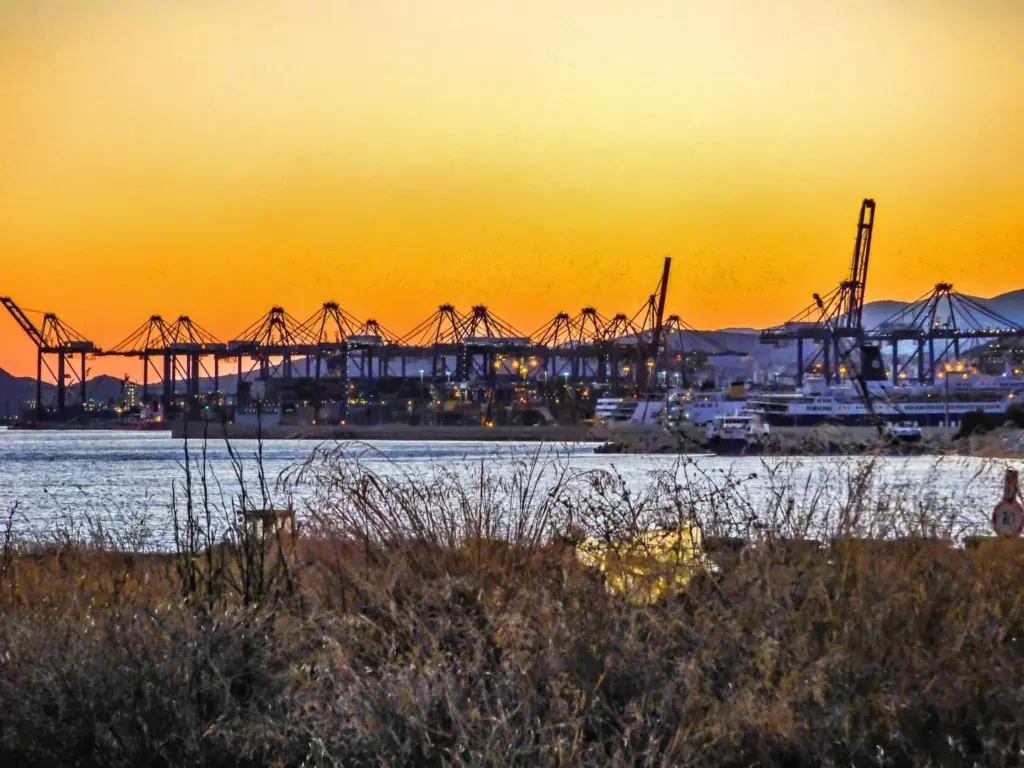
While Greece now has behind it the privatisation of the country’s two largest ports, Piraeus and Thessaloniki, this took some time to achieve. It took three years in the case of Thessaloniki with its latest privatisation process closing in March this year and a previous one, for the container terminal facilities, foundering in 2008-09 when Hutchison Ports Holdings (HPH) walked away from winning the container terminal concession process. The privatisation of the Port of Piraeus was another long-winded process with this eventually closing with the sale of a 67% stake in July 2016.
Greece has long been recognised as a country that is not a huge advocate of privatising public assets. It has largely been compelled to go down this road as a condition of the European Union bailout that followed the 2008 financial crisis. In recent times, this has involved the somewhat strange sight of the left-wing led Syriza-led government overseeing the completion of the Piraeus and Thessaloniki transactions despite taking an anti-privatisation stance prior to election and effectively halting the port privatisations when first coming to power in 2015. The practicalities of the relationship with the EU, however, ultimately dictated a resumption of the Piraeus and Thessaloniki privatisation programmes.
The processes were not seamless; they had strong stop-start elements, not least due to certain influential politicians introducing new rules or rule changes that served to slow things down. Equally, government displayed a strong tendency in the concession arrangements to prescribe what and how investors do things – what many would call excessive, heavy-handed controls symptomatic of a public sector that does not want to let go.
So now the third phase of Greek port privatisation is waiting in the wings covering some 10 ports comprising: Alexandroupolis, North East Greece; Heraklion, Crete; Kavala, on the Ionian island of Corfu; Corfu, island of Corfu; Igoumenitsa, North West Greece, south of the Albanian border; Volos, central Greece; Rafina, Lavrio and Elefsina – all near Athens; and Patras, western Greece.
Early reports suggested that the new privatisation process may have started in November 2018. But as past experience demonstrates, these things take longer than expected in Greece and so the formal launch of the process, overseen by the Greek privatisation agency HRADF, with Port Consultants Rotterdam acting as the commercial advisor and Ernst & Young as the Financial Advisor, now looks set to run into 2019.
Privatisation model debate
The shape of the privatisation offering is also an interesting subject. It is a process that reportedly centres on offering concessions for specific operations in the ports, known as sub-concessions in Greece, not whole port concessions like Piraeus and Thessaloniki. This is understood to be something of a compromise with the left-leaning position of the government in mind but there are question marks around the viability of the approach, not the least of which is what happens to the overall operation and administration when the revenue earning ‘jewel in the crown’ operations are sold off? It is not as if any of these ports possess a big turnover – there are three in the €5m-plus range, four in the €4m-€3m-plus range and the remainder below that, based on 2016 figures.
There are rumours that there are those within HRADF that would prefer to adopt the whole port privatisation approach and who generally think this is more viable. Look out for further developments here.
Reports are circulating that there has been interest in a number of the ports for select cargo- and cruise-related opportunities. To-date, however, there is no sign of a stampede. It remains to be seen if the structure and content of the proposed port concessions are of sufficient interest for parties to participate in what promises to be another extended privatisation process.
Be the first to read more from the December issue of Port Strategy. Click here to register for your copy.
Related Articles
 INSIGHT & OPINION
 INSIGHT & OPINION
 INSIGHT & OPINION