






Getting port policies right
Getting the right policy framework for port development is a complicated challenge.
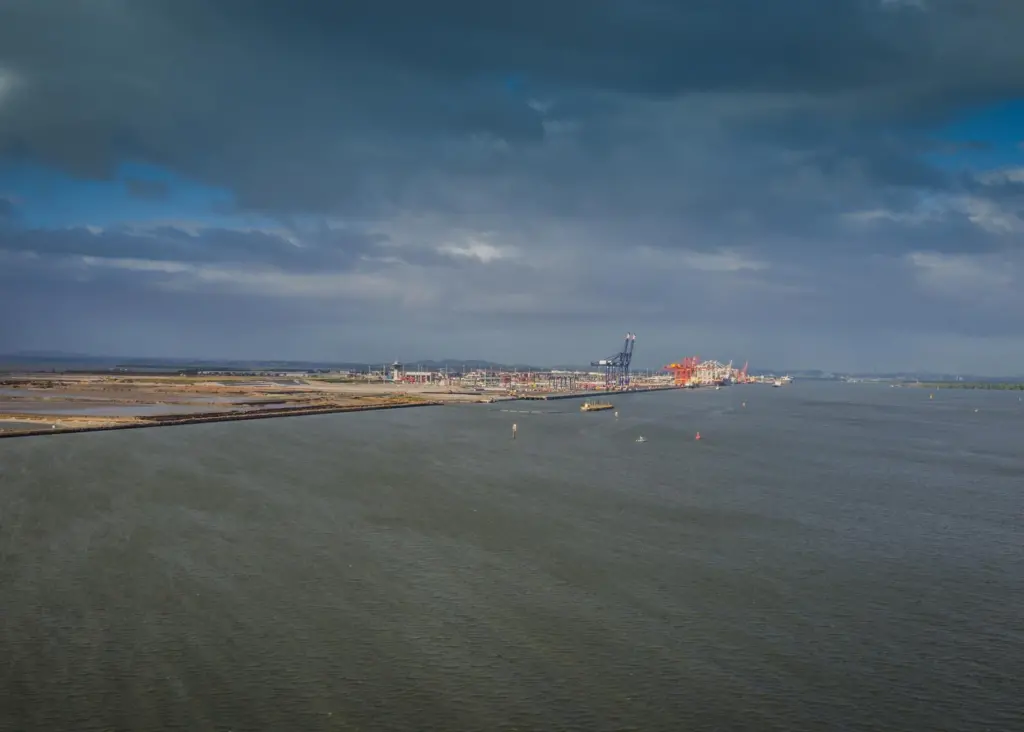
Take the case of Queensland, with a coastline of 7,000 km and a throughput of around 260m tons, of which over 60% is coal. Forecasts suggest a substantial growth of volumes with coal exports alone rising to 300m-450m tons by 2025, and agricultural production set to double by 2040. So ports need to be able to accommodate growth, but without negative impact on the great barrier reef.
The Queensland government proposes a policy framework that reveals the tensions that arise when policy makers leave port development to commercial initiative, all the while looking to prevent over- and under-investment.
On the one hand, the proposal argues that before considering any options for further expansion, maximum use of existing port infrastructure needs to be secured. This suggests that left to themselves, port development companies may overinvest, an argument also made by the environmental think thank Centre for Policy Development, which points out that “many of the entities involved in port development have incentives aligned with inefficient investment in ports”.
It continues: “Queensland’s policy settings and government attitudes have served to amplify rather than check the irrational exuberance of private investors.” That is quite a statement. The proposal of a 10 year prohibition (with some exceptions) on capital dredging for the development of deepwater port facilities outside of the six large existing ports, as well as policies to collect and monitor performance indicators on ports suggest the need to constrain port development initiatives.
On the other hand, policy makers also need to address the risk of underinvestment: “The government reserve the right to take action to prevent delays in port development, to enable increased capacity to be developed by government or other users if a leased port does not wish to invest to meet such capacity.” Another bold statement.
Overall, these policies seem to challenge the fundamental assumption that private initiative, albeit far from perfect, may be as good as it gets for making inherently risky investment decisions. While it is easy to agree with the risks of leaving port development to commercial initiative, it is hard to develop a policy framework that does not somehow assume the public sector can do better.
Related Articles
 INSIGHT & OPINION