





Should ports spread their wings?
Contrary to seaports, most airports are run by commercially operating airport managing bodies, some government owned, some fully privately owned and many with mixed ownership models. This is the result of a transition process that has taken place in many countries over the last decades.
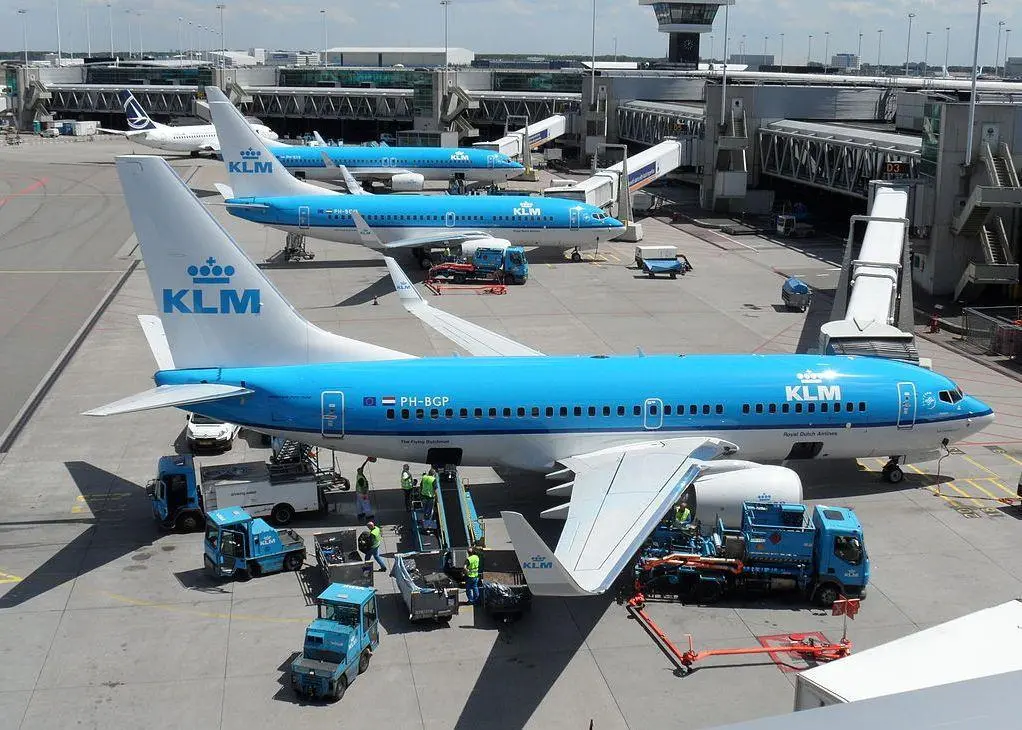
Can port authorities, which are more often government owned and not commercial operations, learn from airports, and especially from their commercial approach? One insight that may be relevant is the increasing share of ‘non-aeronautical revenues’. Airports have learned that they can create and capture value with a wide range of non-aeronautical services, such as retail, bars & restaurants, leisure, hotels, parking facilities, office space and warehousing.
Airports compete fiercely for new services of airlines, and often use the revenues from these services to offer competitive prices for the airlines. In some airports, the share of non-aeronautical revenue is as much as 70% of total revenue.
As offering a wide range of non-aeronautical services has become the norm, airports have transformed from ‘simple arrival and departure halls’ to leisure and retail centres and ‘airport cities’. A comparison of the airports of Schiphol (commercially operating for decades, non-aeronautical revenues of around 55% and responsible for around 75% of the operating results) and Sao Paolo and Rio de Janeiro (operated by government entities, non-aeronautical revenues around 35% of total revenues) suggests that the approach of the managing body makes a difference.
So ports may benefit from understanding their potential to grow ‘non-maritime revenues’. While this concept has not been precisely defined, I think it would be reasonable to include the revenues from concessions of terminal operators as ‘maritime revenues’.
Examples of such revenue sources include office space (for example as on offer in the Port of Rotterdam), logistics parks (offered in many leading seaports), hotels (specifically for cruise ports, and here, Barcelona is a good example) as well as other less common potential opportunities, such as restaurants, port access charges for trucks, secure truck parking facilities and so on.
While port authorities will probably never reach the non-aeronautical revenues shares of airports, the potential may be too large to ignore – especially as it may contribute to a more competitive proposition for shipping lines and cargo owners.
Related Articles
 INSIGHT & OPINION