![PortStrategy[GreenPort]](https://www.portstrategy.com/wp-content/uploads/2026/09/PortStrategyGreenPort.svg)



Does size really matter in the terminal operating game?
Interesting times in the US, sparked originally by DP World’ s forced sale of its US assets, the former P& O Ports US portfolio.
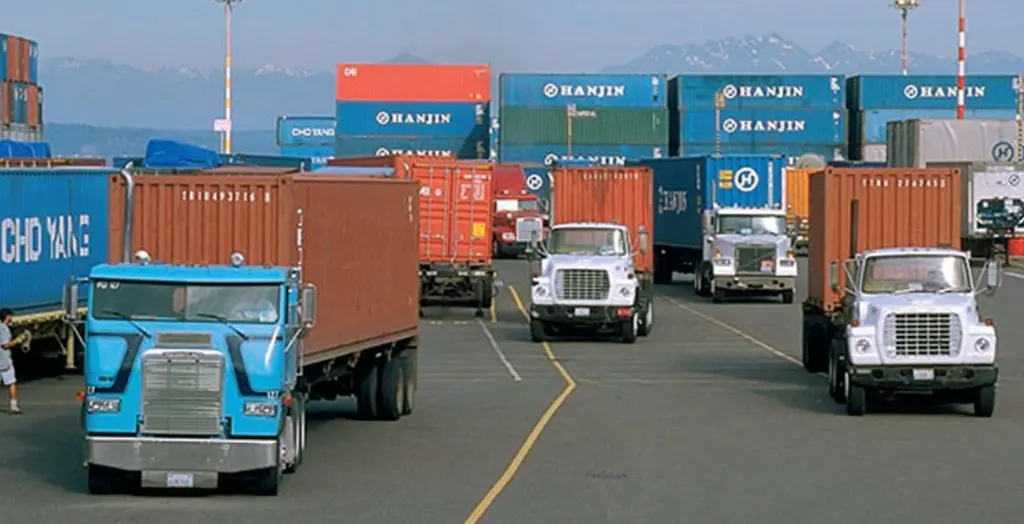
The purchaser of these assets, AIG Global Investment Group, has just followed up this latter acquisition, involving largely port facilities on the US East and Gulf Coasts, with the purchase of MTC Holdings of San Francisco which possesses extensive operations on the US West Coast as well as what it describes as “growing operations on the East and Gulf Coasts of the US.”
In two successive bites, therefore, AIG, through Highstar Harbor Holdings III, Inc, a subsidiary of AIG Highstar Capital (Highstar),part of the AIG Global Investment Group, has achieved what a number of terminal operating groups have aspired without success and secured a terminal operating group that effectively rings the US.
What this means in practical terms, though, is thought-provoking. On the upside, AIG is obviously an owner with financial power and with this unleashed in a thought-out manner it can obviously take the AIG ports’portfolio forward as a whole. Equally at an operating level, there are certain economies of scale to be achieved – in the same way that Hutchison, APM Terminals and other top of the league terminal operating bodies achieve this via global purchasing and other similar arrangements.
Beyond this, though, you have to ask does size matter? Certainly, while the industry has heard of concepts of multiterminal deals with shipping lines they have not really found favour on either side, other than in a few select locations such as Australia. Indeed, there is a strong argument to suggest that the terminal sector itself does not support this concept fearing that the required discounts will go too far.Other methods are preferred,for instance,joint ventures of the type undertaken by Stevedoring Services of America and Matson on the West Coast.
It is also very interesting to speculate how the various port management bodies will react when they get to grips with the idea of seemingly cash rich owners such as AIG being in-situ. Will this accelerate a move away from the traditional terminal lease arrangements that prevail in the US to a greater requirement for the private sector to participate in new infrastructure development? Some evidence of this is already prevalent, but will the trend accelerate?
Who knows what the ultimate consequences will be of DP World effectively being forced to sell its US assets; they may be bigger than anyone envisaged at the time.
MIKE MUNDY