![PortStrategy[GreenPort]](https://www.portstrategy.com/wp-content/uploads/2026/09/PortStrategyGreenPort.svg)




Nigerias new regulator
COMMENT: In the wake of numerous complaints by port users to government, Nigeria has taken the interesting step of appointing the Nigeria Shippers’ Council as an arm’s length Economic Port Regulator, writes Mike Mundy.
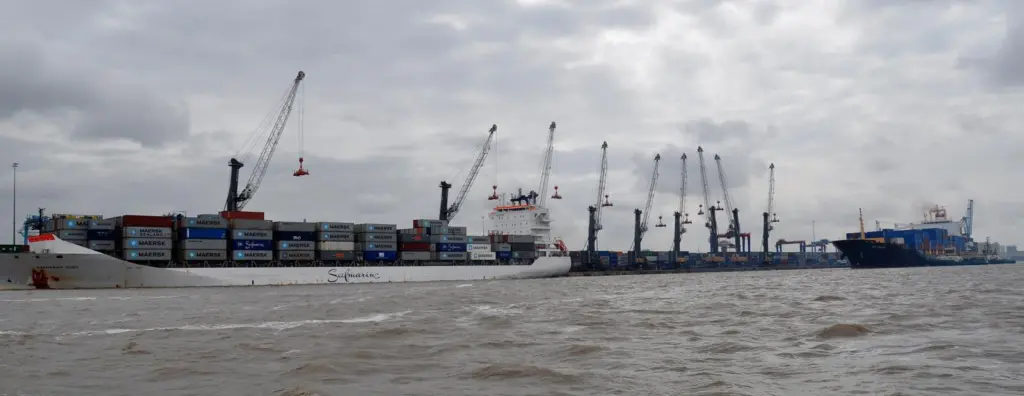
This is seen as a measure that will, step-by-step, curb the high cost of port operations in Nigeria and as a result play a part in reducing the significant cargo diversion that takes place via ports in Benin and Cameroon.
It is also a move that effectively aims to plug a gap in works undertaken eight years ago that achieved the comprehensive reform of Nigeria’s ports, the hallmark of which was shifting the nation’s public port operated system to the landlord model with private operators taking over the operation of front line cargo handling facilities such as the Apapa Container Terminal in Lagos.
NSC’s remit, simply put, is to fully take charge of the commercial regulation of Nigeria’s port sector, albeit officially on the basis of acting as an interim commercial regulator up until the time when the new National Transport Commission (NTC) bill is passed into law by the National Assembly.
Cargo diversion is seen to take place on a major scale and to represent a significant loss in duties to the Government of Nigeria. Goods arriving at cross-border countries’ ports have duty paid on them there and are moved into Nigeria through land borders under the guise of the Economic Community of West African States (ECOWAS), Trade Liberalisation Scheme.
The issue of high port charges and of charges arbitrarily imposed by shipping lines is one that port users have complained about bitterly for a number of years.
There are three levels of complaint – the charges racked up as result of too many government agencies participating in the import process, high charges associated with vessel calls and rocketing terminal charges.
The NSC has begun flexing its new found muscles including ensuring that any proposed new charges are not introduced arbitrarily. It has also commenced a round of consultations with different port user groups.
The hitherto laissez faire climate that has existed in conjunction with port and shipping charges in Nigeria is set to change and this ‘missing link’ in the port reform process may yet offer a model that finds wider take-up on the African continent.