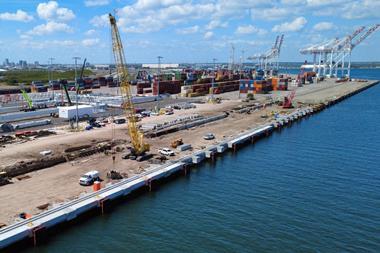

Port congestion continues to be a serious problem for economic growth in the US and worryingly a new report suggests there will be no obvious solutions or quick fix to the problem.
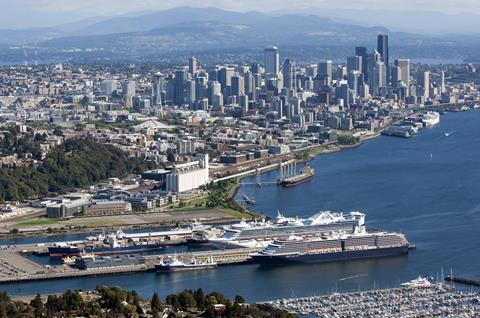
The Federal Maritime Commission (FMC) report, which is an overview of FMC port forums, acknowledges that many US terminals are struggling to turn the large ships around and move containers through facilities in a timely manner.
But at the same time it acknowledges that many are caught in a catch-22 situation, keeping up with industry demand while not building too far ahead of requirements and running the risk of underutilising assets.
A recent AAPA survey shows that ports are spending a great deal of money on capital improvements to try to alleviate the problem (around US$46bn between 2012 and 2016), and that two thirds of this money is being put forward by their private sector partners.
So this may be one of the solutions to the lack of public sector funding for these projects. But the trouble is that the figures don’t necessarily indicate whether the sums involved are sufficient to meet future needs.
A few federal initiatives are already in existence to help ports deal with congestion issues. One is the US Department of Transportation’s TIGER grants programme that has so far provided $500m to help ports cope with growth, but forum users said that these need to be more greatly accessible.
Users also said that they hope that the Administration and Congress will commit sufficient budgetary resources to federal agencies involved in the supply chain process, including Customs and Border Protection (CBP) and USACE. USACE has been criticised for needing to speed up the approval process for channel navigation projects.
Another suggested stakeholder proposed fix to the problem put forward was that neighbouring ports should collaborate in terms of resources and capabilities in order to compete.
There is also plenty of hope being pinned on the development of a national freight plan which users felt that all port partners should be involved in developing. The Administration’s plan calls for $18bn to be placed in a fund for regional transport projects, with a focus on major corridors subject to bottlenecks.
But the major concern is that with ports and their private partners investing millions to expand their facilities it won’t solve congestion if the first and last connector links between ports and the highway system are weak.