




Short sea shipping project addresses efficiency
An EU-funded research and innovation project seeks to improve the modal split for Short Sea Shipping (SSS) in the European container supply chain.
The AutoMated Vessels and Supply Chain Optimisation for Sustainable Short Sea Shipping (MOSES) project aims to significantly enhance the SSS component of the European container supply chain by addressing the vulnerabilities and efficiency issues that relate to the operation of large containerships.
The project, coordinated by the National Technical University of Athens (NTUA), brings together a consortium of 17 partners from seven EU countries and will follow a two-fold strategy, which consists of reducing the total time to berth for TEN-T Hub Ports and stimulating the use of SSS feeder services to small ports that have limited or no infrastructure.
Objectives
During the project, a hybrid electric feeder vessel will be used designed to match dominant SSS business cases.
For DSS ports, the project will implement the adoption of an autonomous vessel maneuvering and docking scheme (MOSES AutoDock) and a digital collaboration and matchmaking platform (MOSES platform).
The project is a unique opportunity to achieve state-of-the-art, applied know-how and technological developments in the sector that, otherwise, would be unfeasible and extremely costly for the partners, which include ProZero International, to develop and pursue on their own.
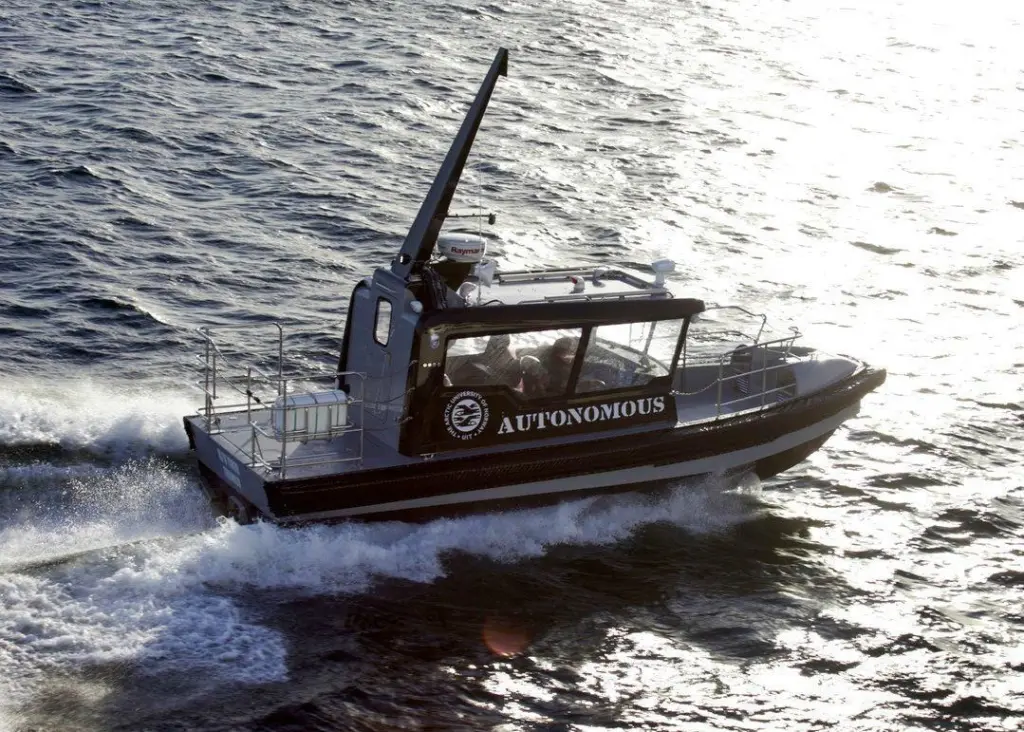
ProZero International will contribute to the MOSES project by developing automated workboat/tug platforms that will be used as part of the autonomous vessel maneuvering work using MOSES AutoDock.
Related Articles
 ALTERNATIVE FUELS GREENPORT