


Singapore vs Hong Kong: the same old story?
Age old competition continues to drive Singapore to new heights, but Malaysian up-starts could put a spanner in the works, reports Peter Trevalyn
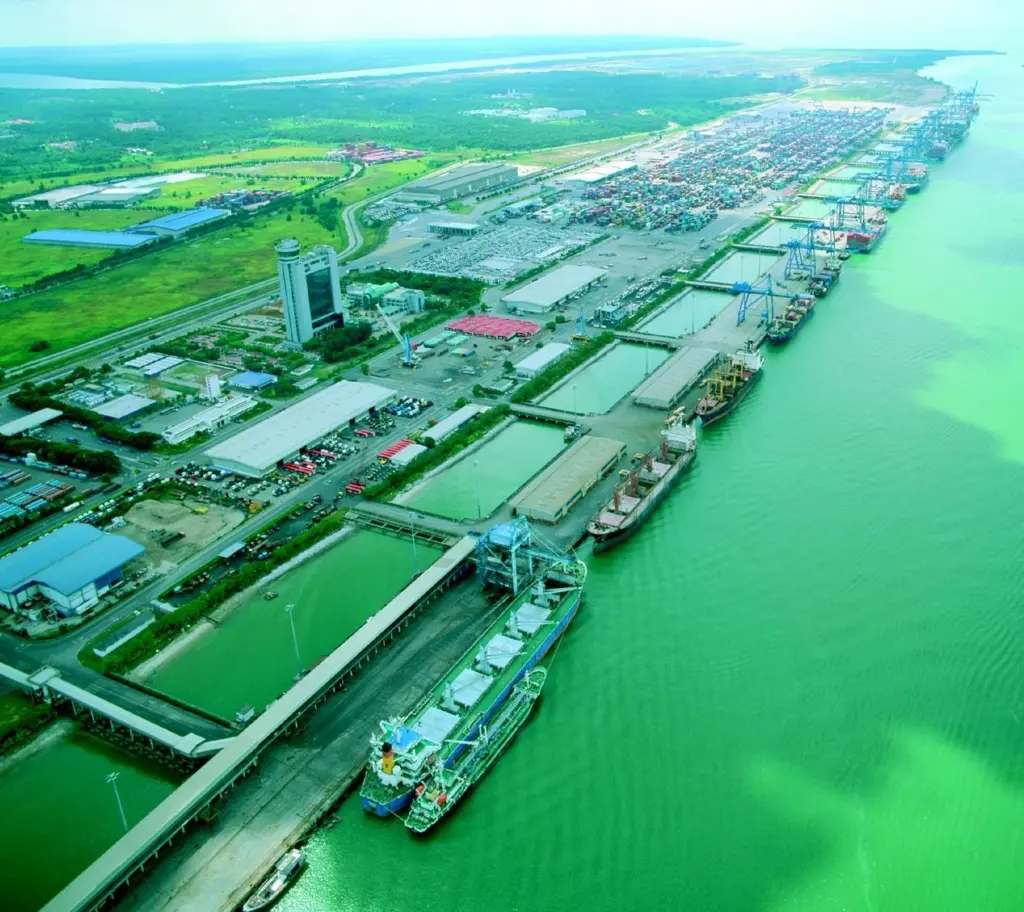
The decades-long rivalry between the world’s two largest port operators continued in 2005, when for the first time in nine years PSA’s operations in Singapore were once again the busiest in the world.
In 2005, the Port of Singapore registered an increase in containers handled of 8.9%, up to 23.2m teu. Meanwhile, Hong Kong’s growth rate was stunted, turning in an increase of just 2.3%, with 22.5m teu handled for the year.
Both Singapore and Hong Kong suffer from rising competition in their backyards although the severity of the competition differs.
Singapore has the likes of Westport in Port Klang which in recent years has garnered the support of some of the fastest growing shipping lines in the world, CMA CGM and China Shipping Container Lines. And south of Malaysia, Tanjung Pelepas has picked up business after Maersk took over P&O Nedlloyd.
But despite the existence of a Federation of Malaysian Port Authorities, because most of the operations are in private hands there is no meaningful cooperation between them.
Meanwhile, trouble is on the horizon for this country, one of the first to privatise its ports back in 1986, when the Port Klang terminal was sold off and later became Northport.
In what is seen by the Federation as a backward move, the Malaysian government is proposing the creation of a National Ports Authority. As the privatisations took place at various times since 1986, the agreements vary widely and could leave a wide disparity in terms of advantages that the separate ports can claim under the new regime.
Such uncertainty should lead to some concerns by potential investors.
Meanwhile, PSA has been in a position to, and willing to, offer various concessions, meaning that the impact on its throughput has been far less than that experienced in Hong Kong.
Hong Kong on the other hand has much more serious concerns and less will to deal with them.
The inexorable rise of the southern Chinese ports is best illustrated by the fortunes of Guangzhou, which overtook Tokyo to become the 20th busiest container port in the world in 2005.
At the PSA International-invested port box, throughput grew a massive 41% in 2005, up to 4.6m teu. A more impressive result if you take into account that just 20% of the cargo is made up of international shipments.
In nearby Shenzhen, which relies on cargoes coming from the world’s factory the challenge to Hong Kong is equally as great. The port is investing $4.6bn in expansion to give it a 26m teu capacity by 2010.
Meanwhile, Hong Kong does very little. Over the past year or so the port community has been looking to reduce cross-boundary trucking differentials but even to do that they had to get the cooperation of the mainland authorities.
And still the cost difference makes Hong Kong less attractive for cargoes from the mainland. The cost difference between Hong Kong and Shenzhen ports stands at around $260 per feu, most of which is attributable to cross-boundary trucking costs which add $160 to the cost of transporting a feu. Shipping Lines also levy higher handling charges in Hong Kong.
With operators in Hong Kong including some of the largest in the world, including PSA International which now has a 20% stake in HPH, there is little will to reverse Hong Kong’s inevitable decline, leaving the door open for Singapore. But they should be sure to shut it firmly behind them.
Related Articles
 EQUIPMENT
 PORT & TERMINAL NEWS
 PORT & TERMINAL NEWS