

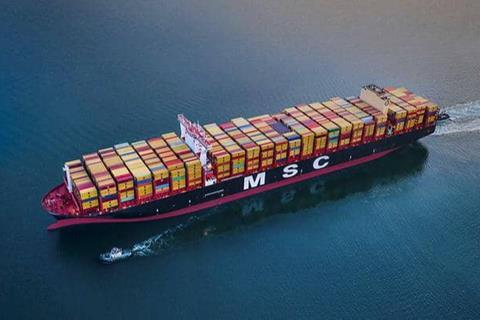
DB Schenker has purchased 12,000 metric tonnes of biofuel which it will use to transport its own greener consolidated cargo in an arrangement with shipping line MSC.
The amount of biofuel purchased is enough to save an additional 35,000 metric tonnes of CO2 equivalents (CO2e) along the entire production chain in the market, or the equivalent of around 30,000 standard containers with net-zero CO2 emissions, depending on how the fuel is used during navigation.
”Together with MSC, we are offering our customers a convenient and clean solution using the latest generation of marine biofuel to help them achieve a real additional reduction in their emissions,” said Thorsten Meincke, global board member for air & ocean freight at DB Schenker.
“We are doing this because we firmly believe it is the right thing to do and are therefore paying for biofuel purchases in advance. One thing is certain: the more customers demand climate neutrality throughout supply chains, the faster we achieve clean container ocean freight.”
Purchase agreement
The purchase agreement signed this month represents one of the largest carbon-insetting biofuel deals between a freight forwarder and a shipping company. It sets out the use of certified sustainable, second-generation biofuels derived from used cooking oil, instead of conventional fossil-based marine fuel.
The 12,000 metric tonnes of biofuel component will be blended between 20 and 30%, resulting in approximately 50,000 metric tonnes of blended biofuel to be used in MSC’s container ships. The agreement allows DB Schenker to offer its customers an off-the-shelf product that enables net-zero ocean transport.
This means that similar to net-zero flights using sustainable aviation fuel (SAF), customers can now book regular net-zero ocean transport and receive an annual certificate of their emission reduction for their carbon footprint. The latter means that every metric tonne of biofuel is bunkered in addition to any legal mandate and carrier’s set fuel purchase orders.
Biofuel can be used for regular ocean freight operations without adjusting a ship’s infrastructure or supply chain, making it a particularly convenient solution. With MSC Biofuel Solution, clients benefit from the CO2 savings, passing them on throughout the shipping value chain. This differentiates the programme from carbon offsetting initiatives that focus on future emission reductions outside the shipping industry.