A Notice of Preparation for a Draft Environmental Impact Report (EIR) has been issued by the Port of San Diego to analyse the potential effects of its expansion plans for the Tenth Avenue Marine Terminal (TAMT).
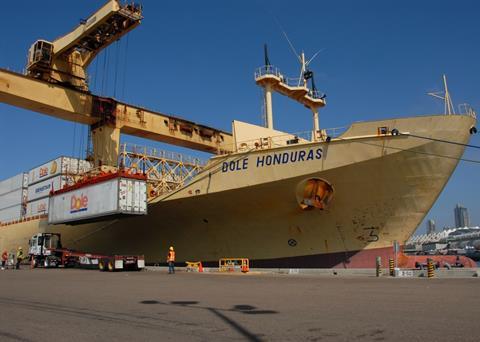
The proposed plan will create three terminals within one existing footprint and bring additional cargo through the terminal within its current specialties of break-bulk cargo such as military and energy parts, refrigerated containers for fresh produce, and clean bulk cargo used in construction. The proposal includes removal of obsolete infrastructure and upgrades facilities in order to handle more cargo in an efficient and environmentally responsible way.
"The proposed plan will optimise the Tenth Avenue Marine Terminal as a vital, global gateway for imports and exports and boost San Diego's role as a true global city of the 21st Century," said Joel Valenzuela, maritime director.
Issuing the NOP gives agencies, the public and other interested parties an opportunity to comment on possible environmental impacts of the project. Comments will be accepted until 5 p.m. on Tuesday, April 14, 2015 and can be emailed.
The Port of San Diego has leveraged its natural advantages to become a leading, West Coast specialty port. Comprising two terminals – Tenth Avenue Marine Terminal (TAMT) and National City Marine Terminal (NCMT) – it is a natural, deep-water, protected harbour that is uncongested and, due to the temperate climate, ideal for handling all types of cargo year-round.
Due to its strategic location, the Port of San Diego services goods movement to and from Mexico, Central and South America, Asia, Australia, Canada and Europe.
It’s also one of 17 commercial ports designated as a strategic port by the US Department of Defense, which is vital as San Diego hosts the largest military concentration in the world.
Located on 96 acres in the city of San Diego, Tenth Avenue Marine Terminal has eight berths and is home to one of only two on-dock cold storage facilities on the West Coast.