


The elephant in the room
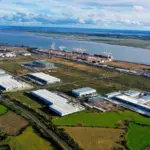
Tangermed II’s size is an issue: state-owned operator Marsa Maroc controls only 800m of the 2,800m quay – the rest is still up for grabs.
It seems that potential investors are hanging back and evaluating the pros and cons. One of the cons has to be that the investment required will be a whole order of magnitude higher than anything seen in the area before, and any operator will need the buy-in of the shipping lines before it starts – not easy since the lines aren’t having the best of times.
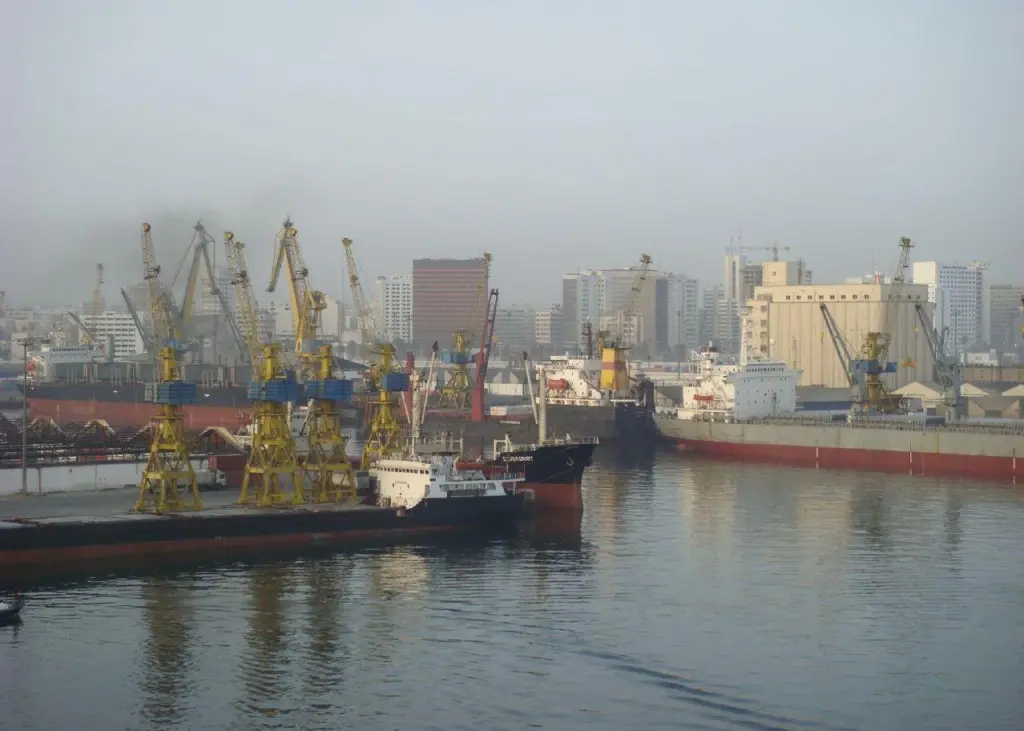
Further east, the much awaited container terminal at Casablanca is finally coming. Standing in the middle of the port it was originally a general cargo quay that is now being repurposed for boxes following a relocation of the other activities to a new facility that lies out of town.
However, while there will always be a need for a container terminal there, there is a 12m draught limit and the other operators at the port, says APM Terminals’ Hartmut Goeritz, are doing alright with the volumes as they stand – especially as the bigger ships use TangerMed further north.
It’s not just sour grapes. APMT apparently did some analysing of whether Casablanca could be a transhipment feeder extension to its TangerMed facility, but decided against it; firstly there was too much deviation to the shipping route and secondly there is a new rail service in place.
The original rail service to Casablanca from TangerMed ceased when the volumes went, so this relaunch has something to prove. The matter of reliability is uppermost and Mr Goeritz explains that the confidence of the Moroccan importers was “badly hurt” during the slowdowns. Import cargo will be going to an efficient dry port near Casablanca, the largest consumer market in the area – and the rail link will cut five to seven days off the shortsea route.
The new link, although initially taking only dry cargo, might also give TangerMed a useful tool to take on the chilled export as well as the import market. After all, if you are a local exporter it helps to have more than one market and “a bit of competition goes a long way” points out Mr Goeritz.
Related Articles
 PORT & TERMINAL NEWS
 PORT & TERMINAL NEWS
 PRODUCTS & SERVICES