




The jurys still out on Poland
At the end of March, Hapag Lloyd announced that the G6 Asia-Europe Loop 3 service would not call at the port of Gdansk, Poland.
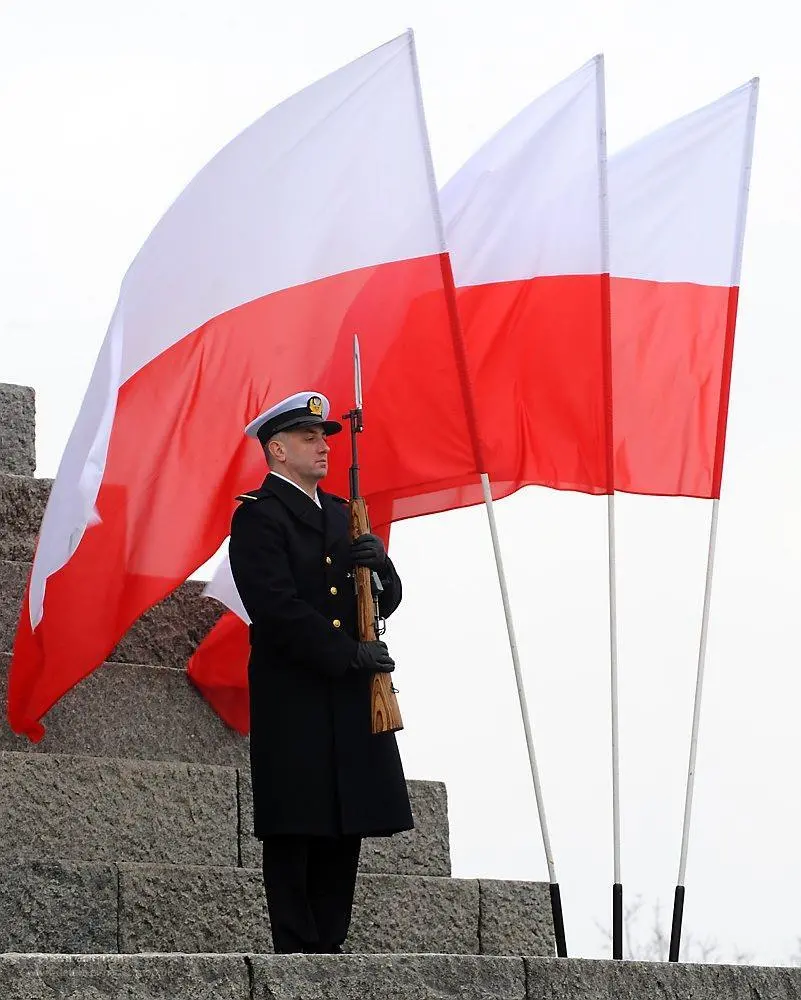
The Loop 3 service would get to the gate of the Baltic – Gothenburg – but would not call Gdansk where it had formerly been intended to use the port as a hub for the Baltic.
Indeed, a statement from Hapag Lloyd said “cargo bound for Poland will continue to be accepted and will be discharged at North Continental ports to be relayed via feeder services”.
Hence Gothenburg, a new port of call, is a direct call for Swedish cargo but does not fulfil the function of a hub for the Baltic.
The decision not to call in Gdansk is an interesting one. The explanation given was that that G6 couldn’t secure a berthing window but this stopped short of explaining the mechanics of why.
Speculation suggests that there could be an element of “there ain’t room for you and me in this town” – i.e. that Maersk, the big user of Gdansk from which it derives the lion’s share of its business directly or indirectly, put a block on the G6 call. Or simply that Gdansk didn’t have the capacity to cope with this additional mother vessel.
Whatever the reason, it has to be seen as a setback for Gdansk and temporarily at least the viability of mother vessels penetrating the Baltic on an economically viable basis. Gdansk has beat the drum loud about being a hub for the Baltic but if it is only able to accept one major client this doesn’t stack up.
It has expansion plans on the drawing board and perhaps it is in these that the solution lies but is it viable to action a multi-million dollar expansion plan when the vast proportion of your revenue comes from one client?
It is an interesting conundrum but not one that the clock stops for. There is healthy competition between the ports of Gdynia and Gdansk; and Gdynia has already laid plans for the deepening of the port’s channel to 13.5m, deepening alongside container terminal quays and the deepening and expansion of turning basins to facilitate larger vessel calls.
Poland is clearly the beneficiary of strong inter-port competition. It remains to be seen which port will be the main beneficiary of direct calls.