



Trade war: an oxymoron?
COMMENT: The world is clearly confused as to whether we definitely/maybe have a trade war on our hands, writes Ben Hackett.
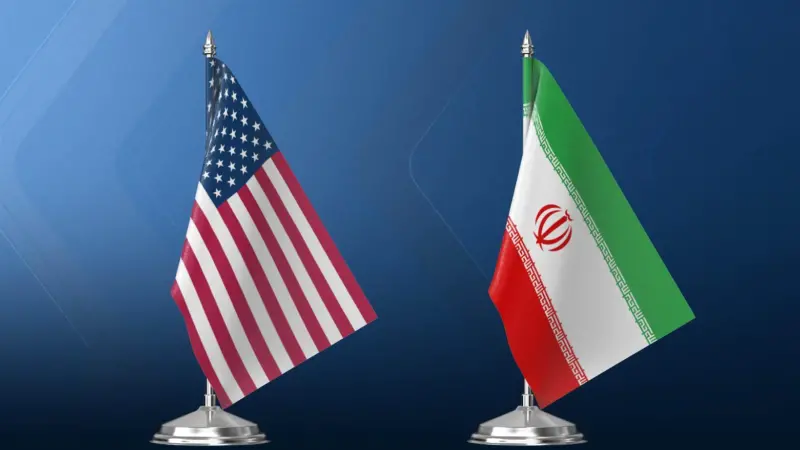
The passive-aggressive nature of the steps being taken by the US Administration and the response from China and the European Union (EU) suggest that the tit-for-tats are deeply superficial.
Having said that, while the overall impact to global GDP has so far been minimal, the cost to the US may well be high as farmers are being promised a $12bn subsidy on top of the subsidies that they already receive, and the automotive industry has already announced expected declines in profitability as the price of steel and aluminium increases.
On the one hand, China and the EU are hitting out at the agricultural sectors, particularly producers of soya beans and sorghum where alternative sourcing is available, and on the other the threatened tariffs on motor cars and parts will cause unemployment.
The July meeting between Donald Trump and the EU’s Claude Juncker appears to have been a victory for the EU. In exchange for the promise to look at the tariffs, the threatened additional US tariffs have been delayed.
However, the tariff war with China is not so sanguine. Tariffs may well hit all Chinese exports to the US but this is somewhat self-defeating as the cost of this will be borne by consumers and industry, all of which will increase inflation, which in turn will raise interest rates, which in turn will slow down the economy.
Not all are losers in this. The alternative sources for US exports, which are mainly agricultural and commodity based, are seeing the bright side of Trump’s policy. Similarly, the dry bulk sector will benefit from longer hauls as South America and Europe replace the US shipments.
The big unknown in all of this is whether Trump will realise that he may not be the winner and that the ‘art of the deal’ might not work when the bluff is called. If the EU ‘foe’ can forge a deal, perhaps China can offer to look at copyright infringements and similar non-tariff issues that threaten the US national security and get the whole thing called off. Or perhaps that is just wishful thinking.
Related Articles
 INSIGHT & OPINION
 INSIGHT & OPINION
 INSIGHT & OPINION