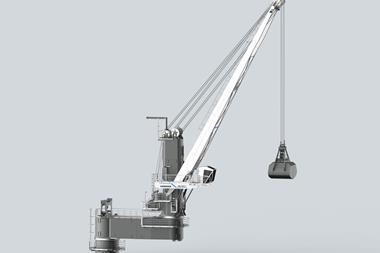

Because pneumatic unloaders produce less dust emission, equipment operators consequently inhale lower quantities of dust which makes them safer to work with. In comparison to grabs, from which material can so easily escape, practically nothing gets out of an enclosed pneumatic discharge operation. This lack of dust is much more notable during hold cleaning operations, which is when grab operatives are much more exposed to unwanted atmospheric discharges. So for those workers deployed in the hold during grab operations, safety issues remain a real concern.
Furthermore, the crane operators themselves are also subject to significant stress because of the number of moves (40-60 an hour) they have to undertake, and as a result they are often limited to working four-hour shifts. So from the health and safety angle, pneumatic unloaders, in contrast, are much safer and easier to work with than grabs.
Agricultural workers, miners and others working in dusty environments are, ideally, subject to systematic surveillance when working with certain commodities, some of which are notorious for causing respiratory diseases.
The World Health Organisation publishes its own Air Quality Guidelines and the International Labour Organisation (ILO) has adopted more than 40 standards and codes of practice specifically dealing with occupational safety and health.
PS