

Major shore power commitment in Germany
Major investment in shore power infrastructure at German port facilities will help diversify technology use and reduce operational emissions.
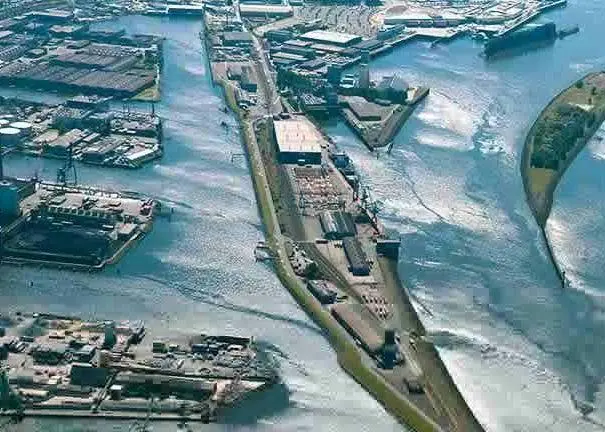
Bremen’s Senate has resolved to create comprehensive additional shore power supply facilities at the ports of Bremen (Bremen and Bremerhaven ports), managed by bremenports. The plans envisage the provision of eight stationary shore power supply units for maritime shipping and two additional connections for inland shipping by the year 2023.
Dr Claudia Schilling, senator for science and ports, stated, “The creation of shore power connections for maritime shipping is another step forward and an important milestone in our endeavours to become a green, climate-neutral port. Accordingly, the electricity for these permanently installed shore power connections will come entirely from renewable energy sources.”
bremenports and the Fischereihafen operating company have previously identified particularly suitable locations both in the Überseehafen area in Bremen itself and at Fischereihafen in Bremerhaven, and conducted detailed assessments of the technical feasibility and the costs involved.
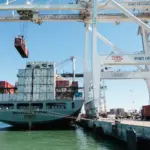
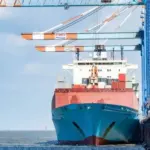
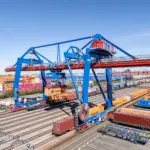
By the end of 2023, two shore power supply units will be installed for maritime shipping in the container throughput area in the city of Bremen, another one in the ro-ro port area and one at the cruise terminal. At Fischereihafen, there will be three facilities for government vessels and one for research shipping.
To date, the provision of shore power at the ports of Bremen has focussed on port and service vessels as well as inland shipping. Most of the berths for these sectors in Bremen und Bremerhaven have already been equipped with the necessary technology. The new investment programme will create another two facilities for inland shipping at Bremen’s Industriehafen, so that all the relevant mooring points for river traffic will then be equipped with shore power connections.
The total investments for all ten new connections will amount to €32.4m, half of which will be funded by the Federal Land of Bremen, the other half by the federal government.
Related Articles
 ALTERNATIVE FUELS GREENPORT
 ENERGY & TECHNOLOGY GREENPORT
 ENERGY & TECHNOLOGY GREENPORT