



Oakland SSA agreement creates mega terminal
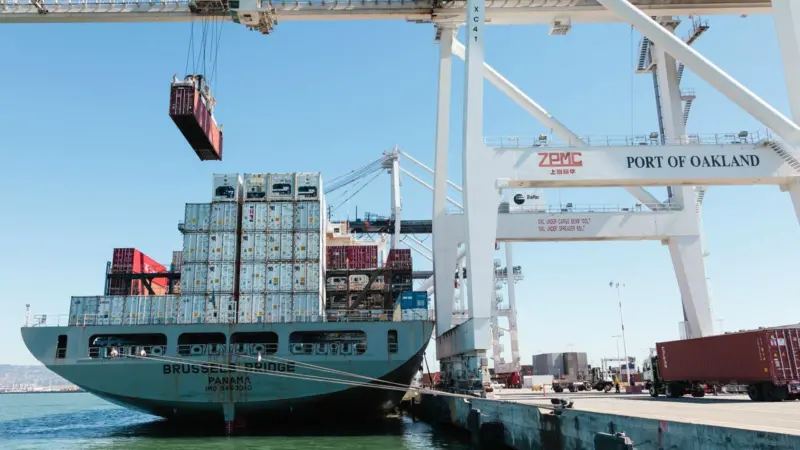
The Port of Oakland has chosen to end a dispute with one of its tenants by making it the operator for the majority of its terminals – creating the third largest terminal on the US west coast.
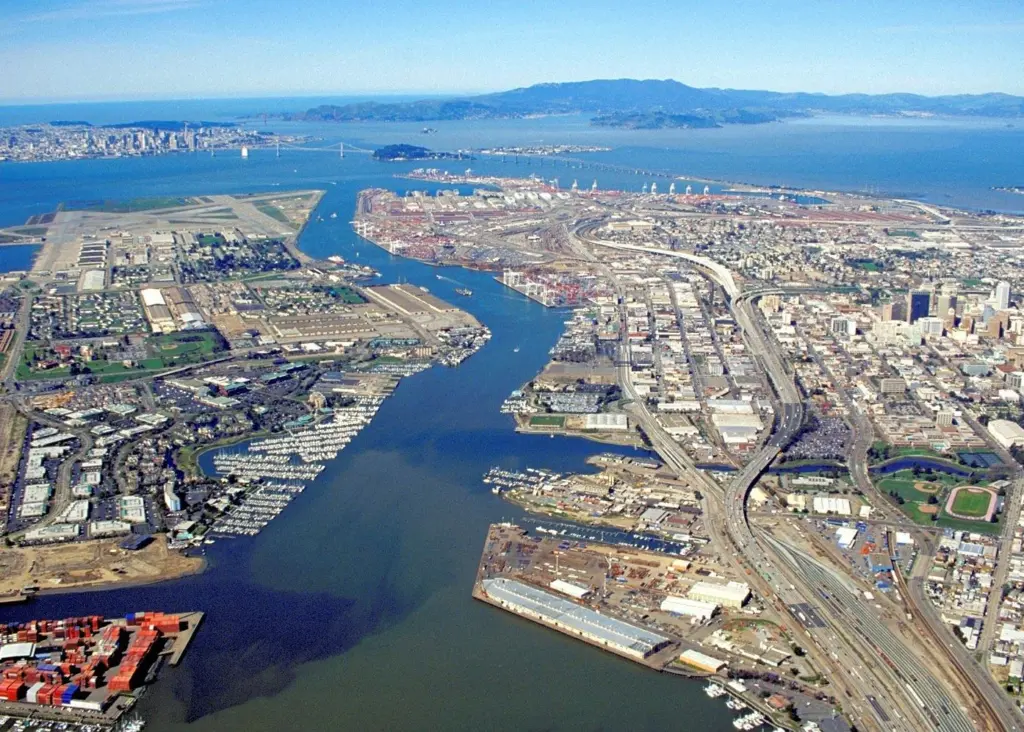
SSA Terminals and SSA Terminals (Oakland), collectively known as SSAT, will become the operator of four out of seven of the port’s terminals in the creation of a new “mega terminal” in a move to achieve long term stability for both revenue and jobs.
Isaac Kos-Read, Port of Oakland, said to Port Strategy: “The benefits for the port are significant. Operationally it creates a more efficient operation able to handle the new generation of ultra-large container vessels and therefore will help us attract more cargo including more first port-of-call services. The agreement solidifies this new terminal long-term for us to market as an ultra large and modern terminal and it gives us greater revenue stability over the long term. It is also positive to be settling litigation with one of our terminal operators.”
The four terminals involved in the agreement are located along the Inner and Middle Harbours: Howard Terminal (Berths 67-68); Global Gateway Central terminal (GGC; Berths 60-63); Oakland International Container Terminal (OICT; Berths 57-59); and Total Terminals International terminal (TTI; Berths 55-56).
Under the settlement, SSAT will lease Berths 57-59 and Berths 60-63 terminals through 2022 at current rates and conditions. It will terminate its lease for Howard Terminal at Berths 67-68 transferring them over to Berths 60-63, the former APL terminal, from 30 September 2013 and dismiss its lawsuits against the Port.
Additionally and independent of the settlement agreement, the TTI lease will be assigned to SSAT through 2016, with one option to extend to 2022.
Prior to this agreement, the port was facing the expiration of all four terminal leases along its middle and inner harbours during 2016 and 2017. Further, those leases all had very short renewal notification periods, leaving the port vulnerable in the event one of the operators decided not to renew its lease.
The origins of the lawsuit stem back to 2009 when the port approved a major privatisation contract with another terminal operator, Ports America. The Ports America agreement effectively allowed the operator to own Berths 20 through 25, which are on public property. Under the concession’s terms, Ports America was able to make its own infrastructure investments and keep a larger share of profits generated at the port than other companies.
SSA sought damages from Oakland because it alleged that the lease awarded to Ports America violated the Shipping Act of 1984 – a federal law designed to ensure maritime companies are treated fairly in an industry otherwise dominated by global monopolies and powerful cartels.
The other three terminals at the port are operated by Ports America, TraPac and STS/Evergreen.
Related Articles
 PORT & TERMINAL NEWS
 OPERATIONS
 PORT & TERMINAL NEWS