


A weighty discussion
West coast ports hope that talk is not cheap when it comes to long term labour negotiations finds Martin Rushmere
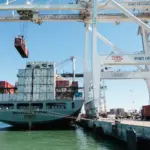
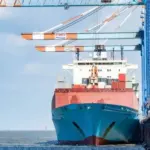
Hard bargaining over a new six-year contract for West Coast dockers is said to be “amicable” according to industry officials, without the rancour of 2002 and 2008. The 20,000 dockers at 29 ports have been working without a contract, but are said to have pledged to stick to the terms and conditions that expired on July 1.
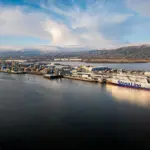
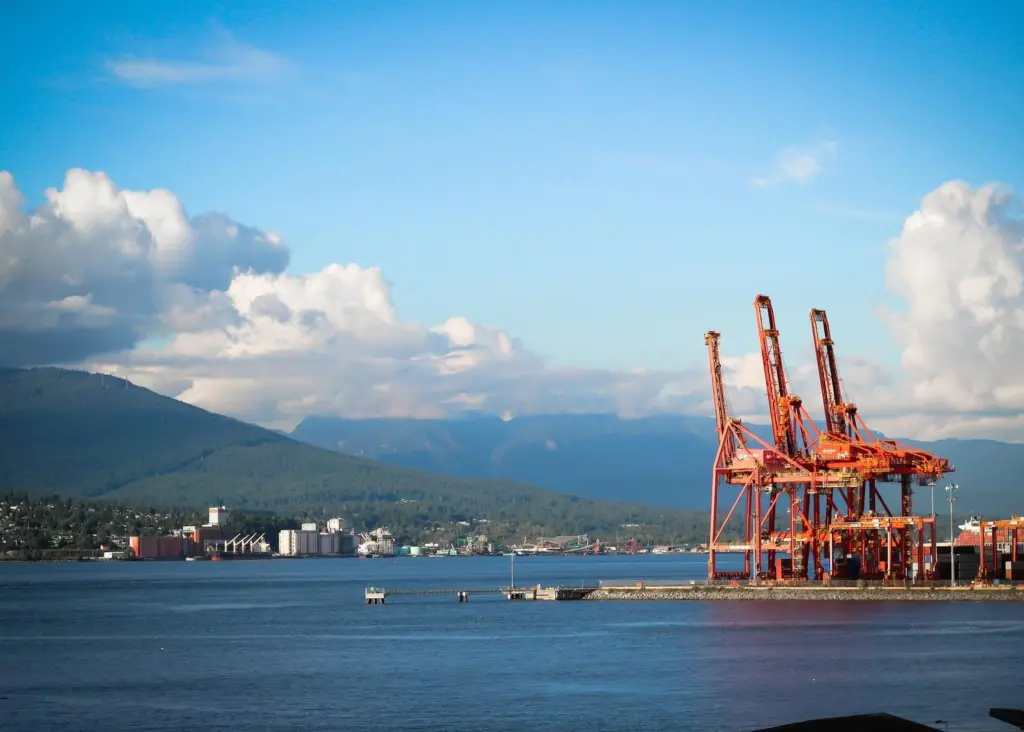
While the industry is heartened by this, shipping lines have taken precautions by diverting cargo to other ports – and this might well be the main unintended consequence of the negotiations. The main beneficiaries have been Prince Rupert and Metro Vancouver, which have experienced huge surges in the last three months.
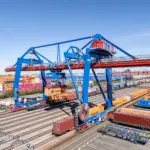
So much so that some cargo volumes have risen more than 10% over the last three months and dwell times are as long as nine days. DP World in Vancouver at one point stopped accepting US-bound cargo scheduled for rail transport, because there were not enough rail cars.
But analysts stress that there is unlikely to be a permanent diversion to these ports because they are not big enough.
Says Paul Bingham, economics practice leader at consultants CDM Smith: “Both sides are serious about making progress without a work stoppage and talks are continuing, but not about to finish up quickly either. I am confident the ILWU leadership and the PMA (the association representing the employers) want to do everything they can to avoid a disruption because they both know that will cost both sides in the long run given the competition they face from other ports around the continent.”
Fitch Ratings notes that cargo diversion could become permanent if the uncertainty over a contract drags on for months. Industry observers agree with Fitch’s assessment that “any potential labour action is expected to be relatively short, as the size of the impact is likely to motivate President Obama to invoke the emergency provisions of the Taft-Hartley Act”, the power to prohibit a strike if it is in the national interest.
Small charge
However, the ILWU dockers’ union has been making its militancy felt in smaller ports, which is seen as being related to the contract talks and as a reminder to employers that the union has teeth. At the Port of Portland, ICTSI of the Philippines has had to grapple with a series of sudden shutdowns by the ILWU, which accuses the terminal operator of employing another trade union for specialised work. So bad has the situation become that crane moves have dropped to as few as eight an hour from an average of 30, which is considered good in North America.
At Oakland the union stopped work at SSA Terminal during protests against a Zim shipping line vessel because of Israel’s actions in Gaza. The union did not join in the protests or endorse them but said it would not cross the demonstrators’ picket line.
Shipping lines are solidly behind port expansions in other parts of the country and in Mexico and Canada, and have said for many years that they want a greater variety of options than just Southern California, largely because of the trade union situation. Much attention was initially paid to the Panama Canal, but in the last six months Suez has taken on much more importance, particularly since the announcement of a second channel.
Ultimately there will be more of a shift of cargo elsewhere. On the face of it, LA/Long Beach are not likely to suffer much if there is labour disruption. Says Fitch: “A short strike or labour slowdown would not affect the ports’ credits. Short-term shipments may decline and would likely be mitigated through their strong contracts with terminal operators and substantial liquidity reserves. The largest rated West Coast ports (Los Angeles and Long Beach) have over 600 days cash on hand and minimum annual guarantees accounting for over 70% of operating revenues.”
However, this show of confidence could change drastically if the situation gets nasty.
Related Articles
 PORT & TERMINAL NEWS
 OPERATIONS
 PORT & TERMINAL NEWS