![PortStrategy[GreenPort]](https://www.portstrategy.com/wp-content/uploads/2026/09/PortStrategyGreenPort.svg)






Transhipment opportunity
COMMENT: Not all container transhipment takes place at the mega hubs such as Singapore, Tanjung Pelepas, Busan, Algeciras, Malta Freeport and so on. It can also take place as a healthy adjunct to gateway port operations – import and export activity – unless of course bureaucracy gets in the way.
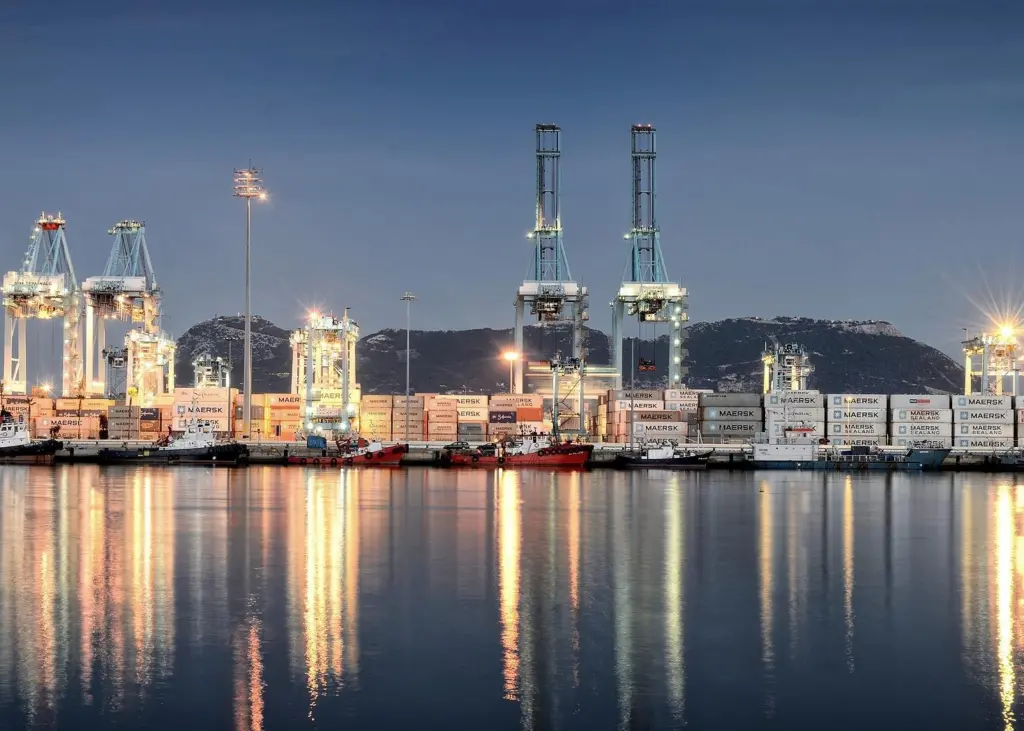
The conditions are usually ripe for transhipment operations at a gateway terminal when there is sufficient spare terminal capacity available without having to make major new investments in infrastructure or equipment and when there is expressed demand from existing port users. Under such conditions container transhipment cargo can come to represent the ‘cream on the cake’ of cargo handling activity.
It is basically an extra that utilises existing resources and contributes to revenue earning capacity and profitability. It is also ultimately an activity that can be told to go away when the traditionally more lucrative gateway cargo operations scale up requiring the lion’s share of available terminal resources.
Just as a shipping line or a consortia is able to exploit the portable nature of transhipment business – the relay of containers from one vessel to another – terminal operators also have the power to open and shut the doors to it as demanded by business requirements overall. The trick is to manage the situation and not to allow transhipment traffic to get in the way of core gateway traffic.
It was, for example, something of a nonsense in the past when the port of Cape Town was short on capacity overall and handling relatively large volumes of empty container transhipment traffic linked to Angolan trade. As soon as gateway capacity became tight the transhipment traffic should have been cut back or despatched entirely – it is after all a junior partner in revenue earning terms to gateway traffic.
The other side of the coin, however, is that there can be good opportunities that appear for at least a limited time for gateway terminals in conjunction with transhipment operations. Examples of this are:
- When a combination of an increase in traffic and vessel size makes feeder vessels working in conjunction with a mother vessel calling at one hub port a more viable proposition. A gateway port can take over the role of hub port for at least a limited period.
- When container volumes increase in a given region so that there is a requirement for what can be termed a secondary container transhipment hub. Prominent examples of this currently in operation are the ports of Cartagena and Callao on the east and west coasts of South America respectively.
- When consortia arrangements provide opportunities for interlining at a terminal – the switch of containers from one service to another operated by the same liner service provider.
Such opportunities as those featured above, and others such as the even more straightforward aspect of capitalising on geographical location, present a logic that makes involvement in transhipment activity a natural step, providing of course it does not require heavy investment.
Facilitation essential
For this exploitation of container transhipment activity to take place, however, it can also require an enlightened approach by port management bodies and particularly with regard to fees/taxes applied to containers or per teu. If such arrangements are not in place they can prove to be a roadblock to transhipment operations and thus it requires a waiver from port management to remove this.
This is not always, however, a straightforward process – the public sector mindset of many port authorities does not always mesh with the commercial aspirations of private sector terminal operators. There is also the reality that tariff systems inevitably put down strong roots and can be quite difficult to change without going through a lot of red tape. Nevertheless, commercially enlightened port management bodies have seen the merit in doing this and promptly made the necessary changes to the greater good of port activity as a whole.
It is important to recognise that while for the port management body transhipment may involve container flow without tangible revenue returns, added transhipment business may contribute to positive economic impact – employment and so on – and ultimately may even provide an important anchor to overall business stability.
Related Articles
 INSIGHT & OPINION
 INSIGHT & OPINION
 INSIGHT & OPINION